
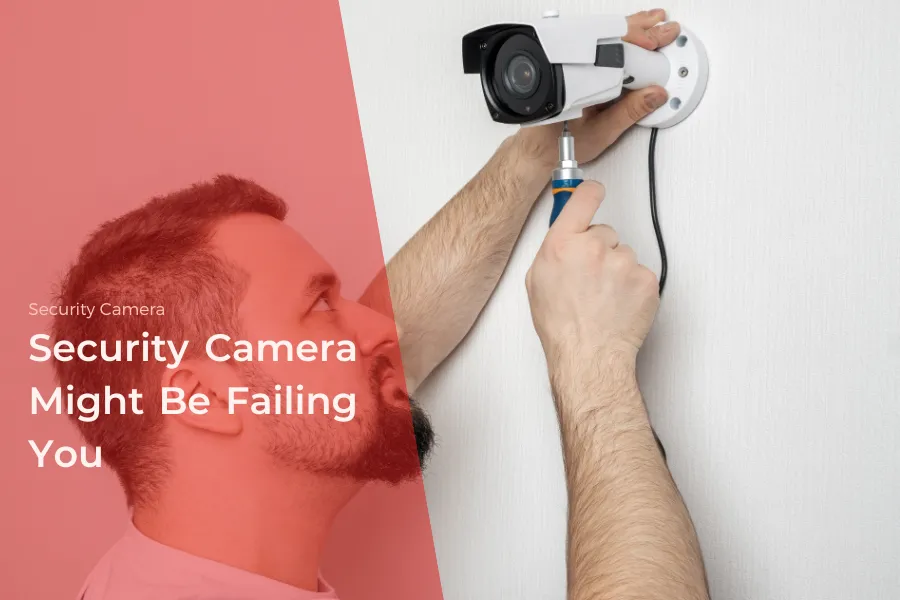
If you walk into any electronics store, you will see hundreds of security camera options to keep your home safe. You might be confused by the many options and their price points. Most people end up buying the first mid-priced camera they see, but later they realize the battery drains too quickly and the night vision is too blurry to see a face.
The truth is that a high price tag does not always mean high quality for your specific needs. A camera that works well in a small indoor apartment might be completely useless in a large backyard. You need to know exactly which technical specifications you require, so you don’t spend money on features you will never use.
In this guide, we will outline the key features to look for when buying security cameras. We will explore what is a good home security camera system and how to spot a reliable system according to your needs.
Why the Right Selection of Security Camera Is Important

Choosing the wrong device is not just a minor mistake; it is a security risk. For example, if a package is stolen from your doorstep and your camera footage shows only blurry shapes that cannot identify anyone, the camera is useless at that moment.
Homeowners often purchase cameras during sales without proper research. As a result, they later encounter issues such as repeated false notifications triggered by passing animals or limited storage capacity that automatically deletes older recordings, sometimes erasing important footage before it can be reviewed or saved.
Every property faces different security challenges. A dark pathway requires stronger infrared technology compared to a well-lit living room. When the camera does not suit the location, you create coverage gaps.
To understand “what is a good security camera system”, evaluate your property requirements first, then examine the technical features. Selecting the appropriate device prevents future troubleshooting efforts and avoids returning unsuitable equipment.
What is a Good Security Camera? Key Features
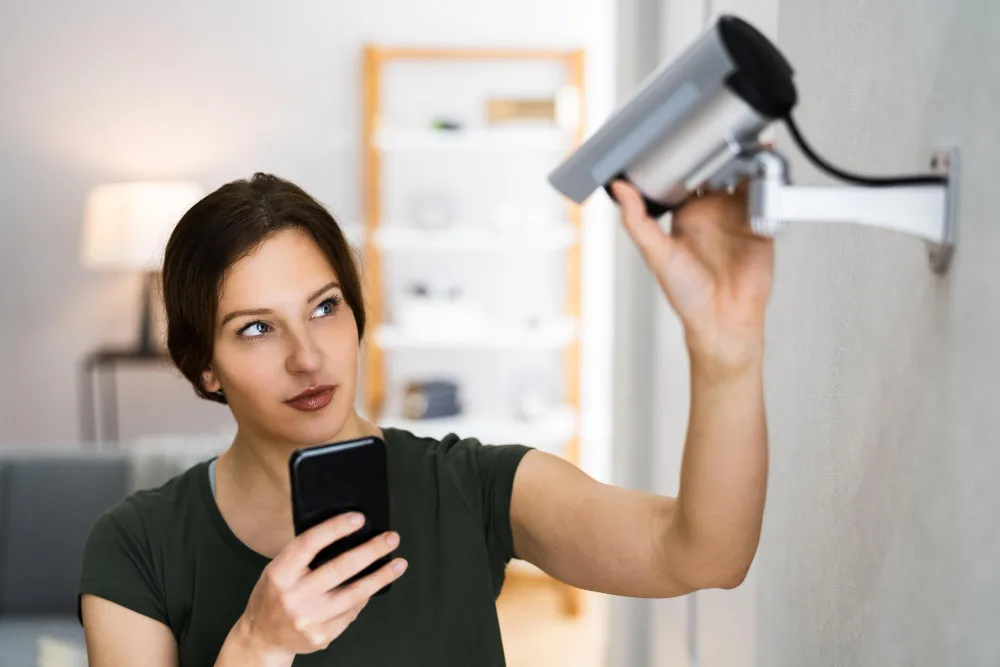
When you start comparing models, ignore the fancy marketing strategies. Focus on the core hardware. A good security camera system provides clear evidence and requires minimal technical expertise to manage. Here are the key features to look for when buying a security camera system.
1. Clear Video Quality and Night Visibility
Resolution is usually the first thing people check. Aim for 1080p (High-Definition) camera resolution. It is the absolute minimum you should accept. While 4K sounds better, it often requires a very strong internet connection and tons of storage space.
For most homes, 1080p or 2K is the best choice because it allows you to zoom in on a face without the image breaking apart.
Night vision is even more vital, as most crimes occur at night. Look for cameras with infrared LEDs that can see at least 30 feet in total darkness. Some models even include a small spotlight to provide color video at night, which helps identify the color of a car or a person’s clothing.
2. Motion Detection and Smart Alerts
Older versions record all movements without filtering between real threats and harmless activities. For example, these cameras could send alerts when a leaf or a tree branch moves in the wind. As a result, you receive hundreds of false alerts daily, and you may miss an important notification when it actually matters.
Always go for the latest cameras that use Smart Detection or AI to distinguish between people, vehicles, and animals. This technology ensures your phone notifications indicate genuine security concerns that require your attention. Real-time monitoring is effective only when alerts are accurate.
3. Wide Viewing Angle and Coverage Area
For viewing angle and coverage area, we use the term Field of View (FOV). This measurement indicates how much area the camera captures from left to right. A narrow lens may only cover your front door, while a wider lens captures the entire porch and part of the driveway.
Ideally, look for an FOV between 130 and 160 degrees. If the angle is too wide, the image can look distorted like a fishbowl, but if it is too narrow, an intruder could simply walk around the side of the camera without being seen.
4. Storage Options That Fit Your Needs
For storage, you have two main choices:
The Cloud Storage
Cloud storage is convenient because footage is stored online, so even if a thief steals the camera, the video remains secure. However, cloud storage typically incurs a monthly subscription fee.
Local Storage or an SD card
Local storage uses a physical memory card in the camera or a separate hard drive at home. This option helps you avoid monthly subscription fees. When choosing this option, select a device that supports at least a 128GB microSD card, as this capacity typically provides enough space to store one to two weeks of video footage.
5. Connectivity and Ease of Use
A camera is useless if it constantly drops its Wi-Fi signal. Wired cameras (connected via an Ethernet cable) are the most stable but harder to install. Wi-Fi cameras are easy to set up, but need to be close to your router. Always check the mobile app before you buy. If the app is slow or crashes often, you will stop using the system entirely.
How to Choose the Right Home Security Camera for Your Property

Buying a home security camera is not just about picking the most popular model or the one with the longest feature list. The right choice depends on how and where you plan to use it.
1. Location of Installation
Your choice should first depend on where the camera will be installed. Outdoor cameras must have an IP65 or IP66 weatherproof rating to withstand heavy rain, snow, and dust. Indoor cameras do not require this level of protection, making them generally smaller and more affordable.
For apartment residents, a video doorbell is often the most practical option, as it replaces the existing doorbell and monitors the main entry point.
2. Power Source
The power source is another important factor to consider. Battery-powered cameras offer flexible placement because they do not require wiring. However, they need to be recharged every few months. For high-traffic areas such as the front door, a wired connection is more reliable, ensuring the camera remains active at all times.
3. Lighting Conditions
Before finalizing your decision, evaluate the lighting conditions in the installation area. Dark pathways, garages, and backyards may require enhanced infrared night vision or a built-in spotlight for clear visibility.
In contrast, well-lit indoor spaces do not need advanced low-light features. Matching the camera’s night performance to the environment helps ensure clearer footage and more accurate identification.
Conclusion
A well-chosen security camera provides long-term protection and reduces unnecessary troubleshooting. Take time to evaluate your property’s unique requirements and match them with the appropriate camera specifications.
Clear video quality, reliable night vision, accurate motion detection, and suitable storage options form the foundation of an effective security system. Before installation, verify your Wi-Fi signal strength at the camera’s intended location to ensure stable connectivity.For professional guidance on security camera installation and system selection, Elite Security Alarms offers expert solutions tailored to your home’s specific needs.