
Effective security starts at the perimeter, where threats can be detected before they reach entry points. An alarm perimeter acts as a primary shield that warns owners about a threat before a break-in actually happens.
Most people think about cameras first, but a true boundary system focuses on detection and deterrence at the fence line or yard edge. This approach gives security teams or homeowners more time to react.
Effective protection requires a mix of physical barriers and smart technology. You cannot rely on a single lock or a lone camera to keep a large site safe.
Instead, you must look at the entire boundary as a sensitive zone that triggers a response the moment someone crosses it. This guide breaks down the core parts of a modern alarm perimeter and how to set one up for the best results.
What Is an Alarm Perimeter System?
An Alarm Perimeter System is a network of sensors and barriers placed around the outer limits of a piece of land. Its main function is to identify unauthorized people as they try to enter the restricted area. Unlike indoor alarms that go off once a window is smashed, a perimeter setup catches the intruder while they are still outside.
Early detection is the biggest benefit for any business or high-value home. It stops crime in its tracks because loud sirens or bright lights usually scare off thieves before they reach the building.
In a complete security plan, this outer layer connects to a central control panel. It works alongside indoor sensors and cameras to provide a full picture of what is happening on the grounds.
Types of Perimeter Security Used in Alarm Systems
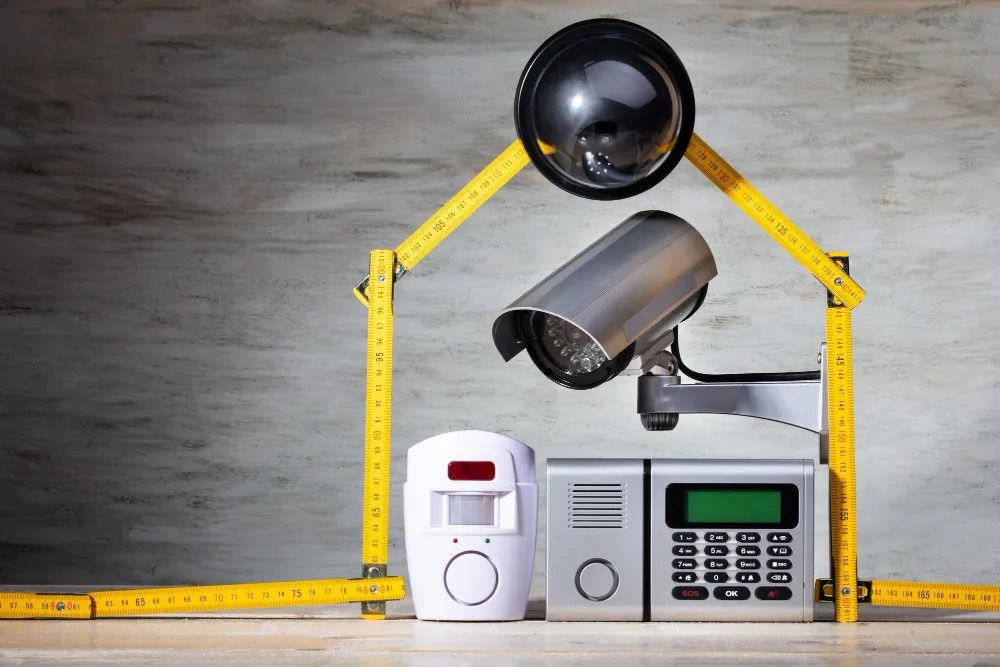
The selection of the right hardware depends on the property layout and the level of risk. Different tools work better for open fields than they do for solid brick walls. The right type ensures that the system stays reliable without triggering too many false alerts. Here are the four common types of perimeter security.
1. Motion and Infrared Sensors
In this system, active infrared beams create an invisible fence between two points. If a person walks through the beam, the connection breaks and the alarm sounds.
These sensors are excellent for long, straight driveways or narrow paths along a building. Heat-sensing passive infrared units offer a different approach by detecting body heat. These devices excel in tight spaces where the objective is to monitor a particular strip of land.
2. Vibration-Based Fence Sensors
These sensors attach directly to chain-link or metal fences. They detect the specific frequency of a person climbing or cutting through the wire.
Advanced versions can ignore the movement caused by wind or rain, which prevents the system from annoying neighbors. This technology is a standard choice for industrial yards where the fence is the primary barrier.
3. Microwave and Fiber-Optic Systems
Microwave sensors fill a specific area with high-frequency energy to detect large moving objects. They are very hard to bypass because they do not rely on a line of sight as lasers do.
High-sensitivity fiber-optic lines work well when hidden beneath the soil or threaded through fence mesh. This tech spots minute shifts in light signals whenever a person steps on the ground or touches the barrier.
4. Integrated Alarm Perimeter Solutions
Modern setups often combine multiple perimeter security devices into a single, centralized system. An integrated alarm perimeter enables different devices to communicate with one another. For example, a vibration sensor on a fence might tell a nearby camera to zoom in on a specific spot. This teamwork makes the security much harder for a professional criminal to defeat.
Perimeter Access Controls That Strengthen Security
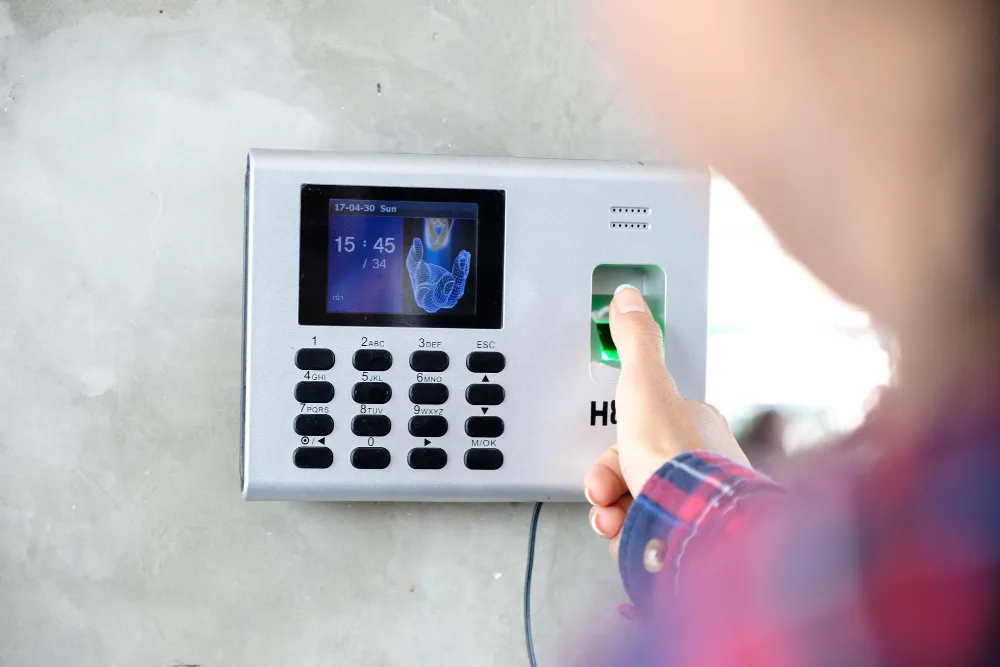
Perimeter security is only effective when access points are properly controlled. You must manage who comes in and out to keep the boundary secure. In contrast, perimeter access controls help you track every person or vehicle that enters the property without slowing down daily operations. Here’s how it works:
a) Controlled Entrance Points and Gate Systems
Heavy-duty gates and turnstiles serve as the physical stop for any visitor. Automatic gate operators allow you to open the entrance from a remote location or via a smartphone app. In addition, high-security sites often use crash-rated bollards or reinforced gates that can stop a moving vehicle from ramming through.
b) Scanning Tools and Digital Keys
Digital locks replace old metal keys that are easily lost or copied. A worker can tap an access card or enter a PIN code to pass through the gate. High-security sites take it further with face or fingerprint scanners to confirm who is coming in. This way, only people with the right clearance can get through.
Effective Perimeter Protection Layouts
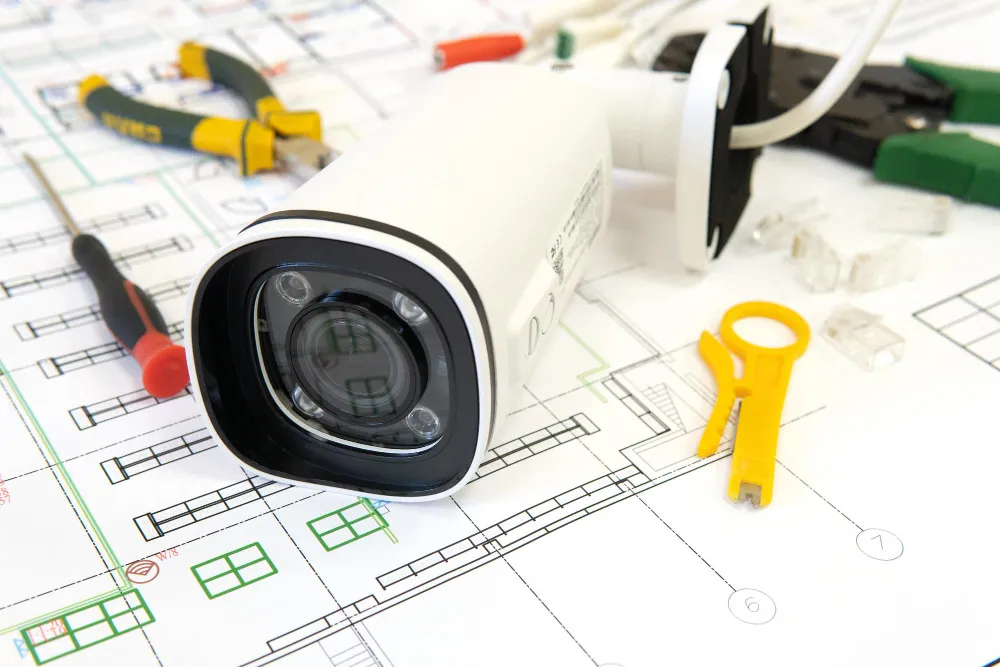
The physical plan of your sensors and barriers is just as important as the tech itself. Poorly placed equipment leaves gaps that an intruder can exploit. Following proven perimeter protection layouts ensures that every inch of the boundary is under watch.
1. Property Size and Risk Zones
Large properties need to be divided into smaller zones. If an alarm goes off in Zone 4, the security team knows exactly where to go rather than searching the whole perimeter.
You should place more sensors near high-value areas like warehouses or equipment sheds while maintaining basic coverage on the rest of the line.
2. Layered Security Approach
Think of security like an onion with different layers. The first layer is a physical fence or hedge. The second layer is the sensor system that detects a breach. The third layer is the access control at the gate.
This multi-step plan means that if an intruder gets past one barrier, they still face several others before they reach their goal.
3. Sensor Placement and Coverage Gaps
Gaps often happen at corners or where the ground is uneven. You must overlap sensor fields to make sure there are no blind spots.
Mounting sensors at different heights also helps catch people who might try to crawl under a beam or climb over a low wall. Regular testing is needed to confirm that the sensors still cover the intended area.
How to Choose the Right System for Your Property
Start by looking at the specific threats your property faces. A retail store in a city has different needs than a farm in the countryside. You must match the sensor types to the physical environment.
For example, infrared beams might struggle in areas with heavy fog or thick brush, so a vibration sensor or microwave system would be a better fit.
Money matters in every project, but the trick is finding a middle ground between price and safety. A solid plan focuses on protecting the riskiest areas fully instead of spreading a cheap system too thin across the whole site.
Many people begin with a small core setup and expand to more zones as funds become available. Always check if the hardware allows for future updates as newer security tech hits the market.
Final Thoughts
A strong boundary is the best way to keep your assets safe and your mind at ease. By using a layered plan that includes sensors and smart entry points, you create a formidable barrier. We recommend a professional assessment to find the best spots for your equipment. At Elite Security Alarms, we help you design alarm systems that fit your specific needs and keep threats away. Contact us today and get your quote.