
It is 2026, and if you are still using those old locks and keys to protect your office, you are inviting big risks. Yes, you heard that right. A few locks and cameras are no longer enough to protect commercial buildings. Instead, you need a complete security solution that includes protection from every potential threat.
But the question is, what exactly are those threats, and what do you need to protect from them? If you are unaware of them, there is nothing to worry about.
In this guide, we’ll walk you through common security risks, their solutions, and how to choose a complete security setup.
Quick Summary:
Commercial security for office buildings usually combines access control, video surveillance, intrusion alarms, professional monitoring, visitor management, emergency alerts, and fire and life safety systems. The right setup depends on your building layout, employee and visitor traffic, sensitive areas, operating hours, and existing equipment.
What Are the Common Security Risks in Office Buildings?
Office buildings are as vulnerable to security threats as residential properties. However, they may have some additional threats compared to standard homes, which makes it essential to take appropriate measures.
With over 25 years of security experience, we have observed that commercial offices are usually at risk of the following criminal activities:
Unauthorized Access
One of the biggest challenges offices face is unauthorized access. However, it only happens when there are not enough safety measures at different entry points. Remember, someone does not need to force open a door if they can walk through one that nobody controls.
Theft and Property Crime
Theft is another common risk for office buildings. In fact, it is one of the most costly threats to commercial properties. Offices contain plenty of items that are relatively easy to carry away, such as:
- Laptops
- Phones
- Small equipment
- Company records
- Employee belongings
So, when there is no visibility into who is carrying what and who entered or exited the office, the chances of theft automatically increase.
Tailgating and Piggybacking
Smart intruders do not wait for office locks to fail to enter and commit a crime. Instead, they are always in search of another possible way to deceive staff and gain access to restricted areas. One common way they use is tailgating.
For example, let’s suppose an employee uses a card to open a secure door. The intruder might walk up just behind them while the employee politely holds the door unintentionally. That is why a simple lock is not enough to control door entries.
Workplace Violence
It is not always an outsider who commits a criminal activity inside an office. Sometimes, your former employee, an existing executive, or a former visitor may create violence in the workplace.
The U.S. Bureau of Labor Statistics recorded 733 fatal occupational injuries involving violent acts in 2024, including 470 homicides. That means you must have a proper security system that provides enough proof to know who is guilty or who is responsible for violence.
Fire and Emergency Hazards
Besides theft and unauthorized access, there is another major security risk for offices. Yes, we are talking about fire and other emergencies. The National Fire Protection Association estimates that U.S. fire departments responded to 470,500 structure fires in 2024, and commercial offices were also a part of those cases.
Therefore, your office building must have an integrated security system that tells you where, when, and why the fire started, so you can take immediate protective action.
What Should an Office Building Security System Include?
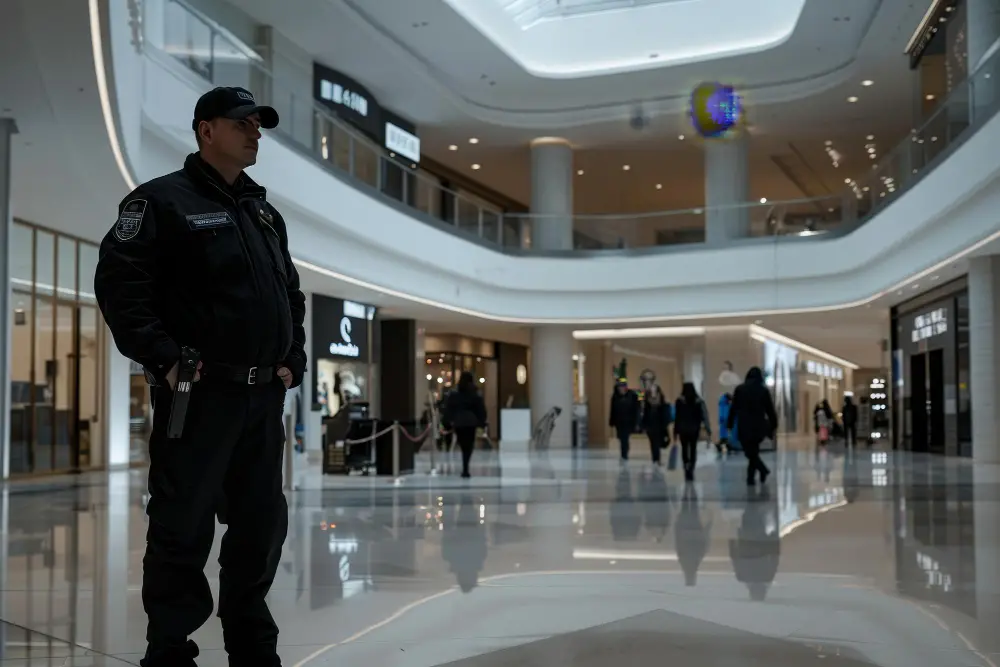
A complete office security infrastructure should be able to protect the building from both insider and outsider threats. Elite Security Alarm Systems recommends that commercial property owners and managers consider the following factors to ensure higher protection for their staff, visitors, and stakeholders:
1. Access Control for Entrances and Restricted Areas
An advanced access control system is the heart of any advanced commercial security system. It lets you decide who can enter a door and what credential is needed to open the door. You can set different entry credentials for your staff, such as:
- Cards
- Fobs
- Codes
There are also some of the latest models available in the market that unlock doors using facial scanning. The biggest benefit of smart access control systems is that you can remove a person’s access without collecting a key or changing multiple locks.
2. Video Surveillance for Key Areas
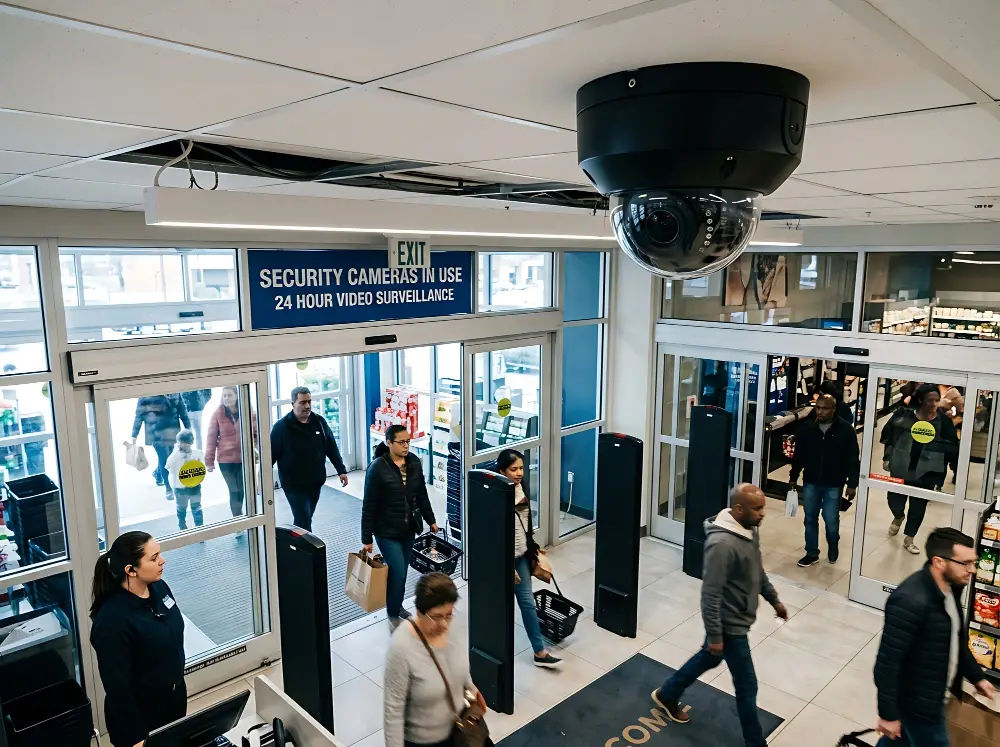
Your security guards cannot watch around the key areas of your building all the time, but smart video cameras can. So, instead of relying on physical monitoring, commercial offices must integrate smart surveillance systems into their security infrastructure.
Whether it is an entrance, reception area, parking lot, restricted room, or any other part of the office, you can set up cameras for all the important places.
However, make sure that all the commercial video cameras are pointed to the right area and are connected to one recording platform. At the same time, you should also look out for remote monitoring features for better visibility.
3. Intrusion Detection and Alarm Systems
Since intrusion is common in offices, you must control it with advanced intruder alarms. An intrusion alarm can alert people when someone enters a protected area without authorization.
Depending on the building, the system might use door contacts, motion sensors, glass-break detection, or other devices.
You can also divide the building into zones. That lets security personnel know whether an alarm came from a main entrance, storage room, side door, or another protected area.
4. 24/7 Professional Monitoring
No matter how many security devices you have installed for commercial property building security, if they are not professionally monitored, they are worthless. The reason? As a business owner or manager, you are often busy and barely have time to check cameras and alarms.
So, it is essential to have someone in the backend whom you can rely on for professional video monitoring. By adding 24/7 monitoring to your security, you not only add an extra layer of protection but also get rid of the unnecessary monitoring burden.
5. Visitor Management and Front-Desk Security
While security devices play an important role in protecting your premises, there are some cases when you need staff involvement as well. One of the key areas where physical checking and investigation become important is visitor management.
This is especially important if your office accommodates a large number of visitors on a daily basis. For secure management, you should create a natural checkpoint at reception and assign temporary identities to each visitor after investigating the purpose and the host.
6. Panic Buttons and Emergency Alert Systems
Sometimes, employees do not have enough time to find a phone or explain verbally to report an emergency. Instead, they need an instant way to communicate about the threat so everyone can take appropriate measures on time.
For that, it is important to have panic or emergency buttons in some predefined places. A panic or duress button provides a direct way to initiate an emergency response.
But remember, the response plan is just as important as the button. Your team should know what happens after activation and who receives the alert.
7. Fire and Life Safety Systems
Fire alarms and detection equipment deserve their own place in an office security plan. Commercial fire and life safety systems can include:
- Smoke detectors
- Heat detectors
- Carbon monoxide detection
- Pull stations
- Notification devices
It may also have other necessary equipment as per the property type and commercial safety codes. Since requirements may vary according to the property and applicable codes, offices should select the equipment based on a professional assessment.
Elite Security Alarm Systems provides commercial fire and life safety solutions in Florida, including smoke, heat, and CO detectors, pull stations, and duct smoke detection. Our installations follow NFPA 72 and applicable Florida building and fire requirements.
Where Should Security Be Prioritized in an Office Building?
You should start with the places where people move from public space into restricted areas. From there, look at rooms containing sensitive records, expensive equipment, or important building systems.
Here is a simple way to break it down:
| Area | Main concern | Security options to consider |
| Main entrances and exits | Uncontrolled entry | Access control, cameras, reception |
| Reception | Visitor movement | Check-in, video, duress device |
| Server and records rooms | Sensitive assets | Restricted access, access records |
| Parking and garages | After-hours activity | Cameras, lighting, controlled entry |
| After-hours entrances | Low staffing | Access control, alarms, monitoring |
How to Choose the Right Commercial Security Setup for Your Office
You do not need all the protective devices for the security of your building. Similarly, you should not simply ignore the most needed equipment. Instead, you should always assess the needs of your office and plan the equipment and installation accordingly. Let’s take a look at some helpful commercial property security tips.
- Assess Your Building Layout and Security Risks
Your employees, visitors, and contractors should also be in your mind when planning your security infrastructure. After all, they are the ones moving around your building and may be exposed to potential security threats.
- Consider Employee, Visitor, and Contractor Traffic
Your employees, visitors, and contractors should also be in your mind when planning your security infrastructure. After all, they are the ones moving around your building and may be exposed to potential security threats.
- Account for Single-Tenant vs. Multi-Tenant Buildings
If you are working in a shared workplace, your security plan should change accordingly. For example, you may control the parking area, lobby, exterior doors, and interior rooms as a single tenant. But the property manager may control the lobby and common entrances in multi-tenant buildings.
- Review Your Existing Security Equipment
You do not need to install everything from scratch. If your office already has some equipment like cameras and alarms, you can include them in the new plan instead of investing entirely in new equipment.
- Plan for Future Growth and System Scalability
Last, but the most important point is to never forget about the scalability of your security systems. You should always plan the system in such a way that you only need some additional equipment to scale the existing security infrastructure when your business grows.
The Final Words
In a nutshell, a complete security solution is not just a choice but a necessity for a commercial property’s building security. So, businesses need to invest in professional protection equipment, like security cameras, access control systems, and fire safety devices to ensure proper protection. At the same time, they need to control intruders with both physical checks and alarms to reduce the chances of theft.
If you are planning to install or upgrade your office security system, Elite Security Alarm Systems provides a complete safety solution for commercial buildings. We have been serving South Florida since 1997, and our team is expert in designing custom security systems for both single-tenant and multiple-tenant office buildings.
Whether you are reviewing an existing setup or planning security for a new office, request a free consultation to find out what your building actually needs.
FAQs
What Is the Most Important Security Feature for an Office Building?
An office security system is incomplete without an advanced access control system. Integrated with other protective devices, it serves as key equipment to detect unauthorized access and burglary attempts. But it is important to remember that it is just one important part of the whole system. Businesses should not ignore the other factors.
How Much Does Commercial Office Security Cost?
In South Florida, you may expect to invest between $1,100 and $10,500 for a security system if you are running a standard small business. However, the same protection cost can rise to $15,000 to $75,000+ for a professional-grade enterprise installation.
How Often Should an Office Security System Be Updated or Inspected?
You should check your office security system at least once a year. However, that is separate from routine in-house checks scheduled monthly or quarterly. With that routine, you can ensure that your cameras, alarms, access control devices, and sensors work properly.