According to the National Fire Protection Association, smoke alarms reduce the risk of death in a house fire by more than 50%.
That number alone is enough to show how serious fire safety is. You know fire can spread fast but an escape becomes smoother when the right detection system alerts you at the right moment.
The challenge is that most homes and businesses still rely on old devices and setups that do not match the actual risks of the space.
In this guide, we will provide you with the list of 10 latest fire alarm types and where each one works best. By the end, you will know how to choose a system to protect your valuable belongings.
Main Categories of Fire Alarm Systems You Can Choose From
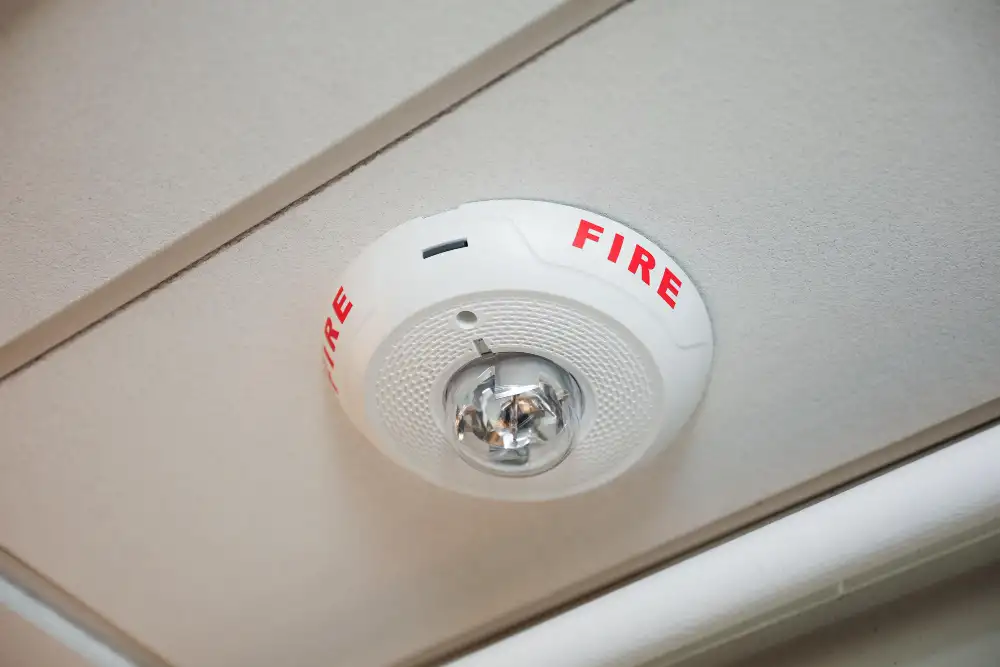
When planning your protection, it also helps to understand the main groups of different types of fire alarm systems. There are commonly three of them.
1. Conventional System: A conventional system divides a building into zones. When an alarm activates, you know which zone the issue came from. This setup fits small spaces well and gives you straightforward coverage.
2. Addressable System: In an addressable setup, every device has its own ID. If something triggers, you know exactly where it happened. This type works best in larger buildings that need precise monitoring.
3. Wireless System: A wireless system uses signals instead of wired connections. It is helpful when installation must stay clean or when building layouts make wiring difficult. These systems also make future upgrades easier.
Top Ten Fire Alarm Types You Will See Most Often
Fire alarm systems come in many forms, and each one helps protect people in a different way. Below are ten of the most common fire alarm systems you will come across in homes and offices.
1. Ionization Smoke Alarm
You can place this type in areas where a fire can ignite fast, like storage rooms or spots with paper products. Because this type of fire detector:
- Senses tiny particles in the air as they rise
- Reacts immediately to fast growing flames
2. Photoelectric Smoke Alarm
This type focuses on slow and smoldering fires. These fires build smoke before showing large flames, and that smoke can make a hallway or bedroom unsafe long before you notice anything. Photoelectric alarms pick up that early smoke and give you extra time.
3. Dual Sensor Smoke Alarm
If you want broad coverage without buying multiple devices, a dual sensor smoke alarm is a strong choice. A dual sensor alarm uses both ionization and photoelectric technology. Since it covers two different fire behaviors, it works well in most homes and general office spaces.
4. Heat Detector
A heat detector looks for changes in temperature rather than smoke. Some activate at a fixed temperature, and others trigger when the heat rises too quickly. These detectors handle tough environments better than smoke alarms. This type of fire alarm works best where normal smoke and dust can trigger false alarms. These areas include:
- Garages
- Workshops
- Commercial kitchens
5. Carbon Monoxide Detector
Carbon monoxide is a gas you cannot see or smell which makes it even more dangerous. A CO detector warns you when levels rise. It is best placed near bedrooms and anywhere fuel-burning appliances are used. You can think of this as a part of the broader mix of different types of fire alarms that protect both property and people.
6. Manual Pull Station
A manual pull station lets a person activate the alarm by hand when they spot danger. It’s simple, clear, and helpful when someone notices a problem before the sensors do. These alarm systems are commonly introduced in:
- Schools
- Offices
- Public buildings.
7. Wireless Fire Alarm Device
A wireless device works without long wiring runs. This makes installation faster and cleaner, especially in older buildings and rental spaces. It also helps when adding extra coverage to the corners of a building that were originally missed.
8. Smart Fire Alarm
Smart alarms connect to your phone and keep you updated even when you are away. This helps you respond faster and contact help if needed. This is especially popular for small business owners because it links with their other security systems and automation controls.
9. Beam Smoke Detector
A beam detector uses a light beam that travels across a space. When smoke blocks that beam, the alarm activates. These alarms cover long distances, so they are used in:
- Warehouses
- Large halls
- Big lobbies
10. Air Sampling Detector
This system draws air into a small chamber where sensors analyze it for tiny particles. Because it reacts early, it is often used in:
- Data centers
- Labs
- Archives
How to Pick the Right Fire Alarm Setup for Your Space
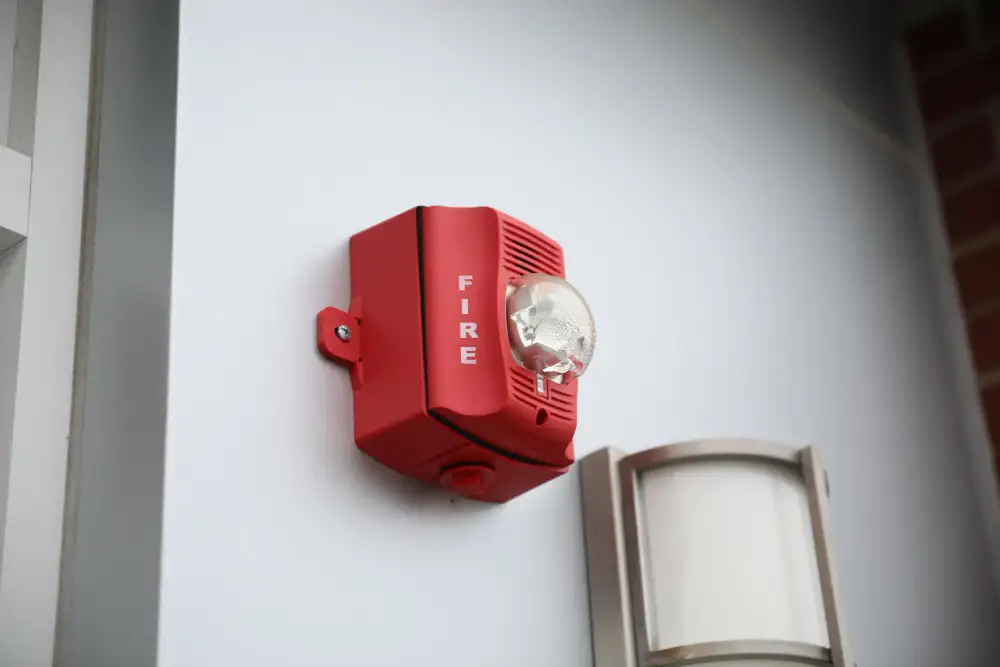
Start by thinking about the layout of your home or business. A small place may only need a basic mix of smoke alarms and a simple system. Larger spaces benefit from a setup that shows exact locations and offers stronger monitoring.
Look at your needs too.
- Kitchens, workshops, and garages need devices that handle heat and dust.
- Bedrooms and offices need smoke detection that alerts early.
- If you want remote updates or mobile control, consider smart devices.
Why Choose Elite Security Alarm Systems
You deserve protection that feels reliable and easy to use. That is why so many homes and businesses across South Florida trust Elite Security Alarm Systems. We create custom plans based on your space and your budget, making sure every setup fits just right.
Our team uses modern technology, including AI-enhanced features. We also provide 24/7 monitoring so help arrives the moment something goes wrong.
Along with alarms, we also offer surveillance, access control, automation, and fire/life safety systems. Many clients have stayed with us for 15–20+ years which proves the trust and value Elite Security brings to every project. Get in touch with us for your free quote.
Conclusion
The right selection of fire alarm types can make your home or business much safer. When you understand what each device does and where it should go, choosing a system becomes easy.
If you want clear guidance or a setup made for your place, Elite Security Alarm Systems can help you build a strong and reliable system that protects what matters most.