
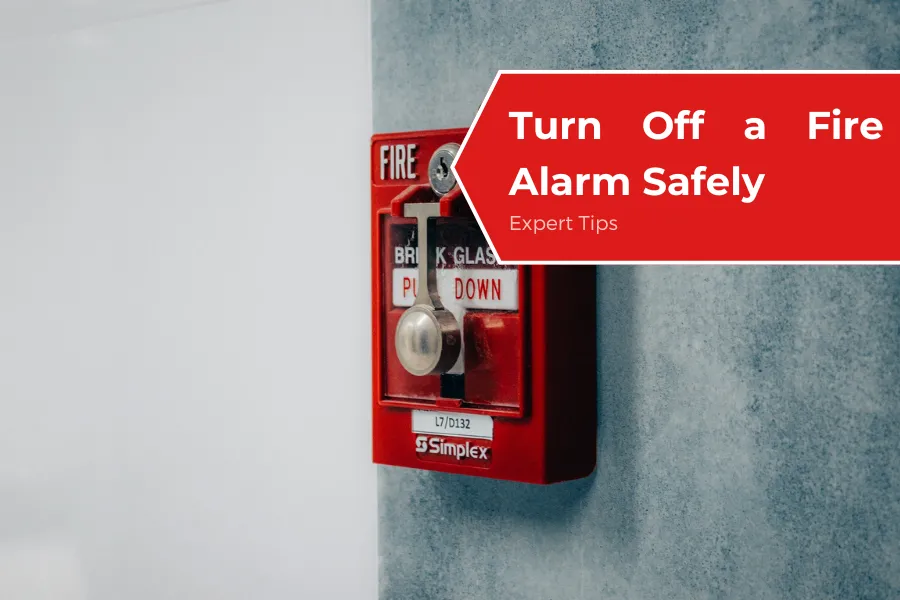
A fire alarm sounding can be alarming, but it does not always signal real danger. Knowing your alarm type, performing basic safety checks, and following the correct steps helps you respond calmly and safely.
Many homeowners face this situation, and in most cases, the cause is minor rather than an emergency. Fire alarms often react to everyday conditions like steam from showers or smoke from cooking, which can set them off unintentionally.
In this guide, we will explain how to turn off fire alarm safely without putting your home or system at risk and when is the right time to seek professional help.
What Are Commonly Used Fire Alarm Types In Homes
Before you touch anything to stop the alarm, make sure you know what kind of alarm you are dealing with. Homes usually use one of these setups.
- Battery Powered Alarms
These alarms run only on batteries and are often mounted on ceilings or hallways. They usually beep every 30 to 60 seconds when the battery gets weak.
- Hardwired Alarms
Hardwired alarms connect to your home’s electrical system and include a backup battery. If one alarm beeps, others in the house may sound too.
- Connected or Monitored Alarm Systems
These systems tie into a full security setup with monitoring. They usually use a control panel and alert a monitoring center when triggered.
Important Safety Checks Before Turning Off An Alarm
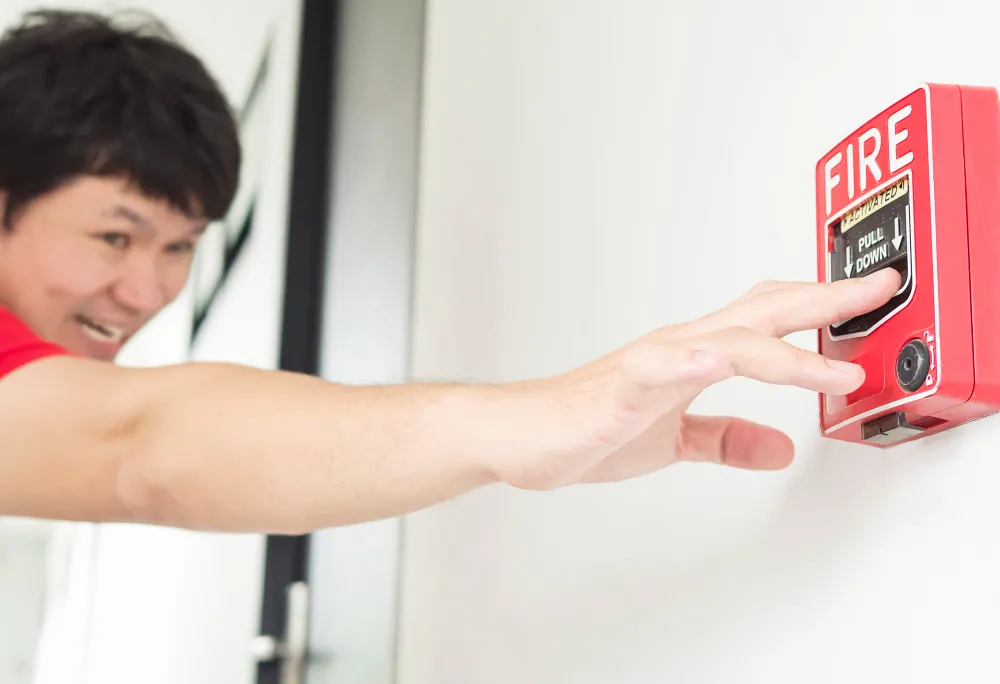
Always pause before silencing any alarm. Many beeps are caused by false alarms, which can occur due to steam from showers, smoke from cooking, dust buildup, or low batteries. Following quick safety checks help prevent serious mistakes.
- Look for visible smoke or flames
- Notice any strong burning smells
- Feel for unusual heat near the alarm
If anything seems unusual or unsafe, step outside immediately and call emergency services. Only turn off the alarm when you are confident there is no real danger.
Basic Tools You May Need To Turn Off The Alarm
When you know there is no real emergency and want to fix the issue yourself, these tools will help you turn off the beeping alarm:
- Step ladder for ceiling units
- Fresh batteries of the same voltage
- Soft cloth or small vacuum nozzle
- Flashlight for low-light areas
Step by Step Process To Turn Off A Fire Alarm At Home
Fire alarms for homes are designed to alert you quickly and usually allow simple resets. Always begin with the least intrusive option, as many alarms can be silenced without turning off power and affecting the rest of the system. Here’s how to turn off fire alarm in house safely.
1. Using the Silence or Reset button
Press and hold the silence button for about 5 to 10 seconds. Normally, the alarm pauses for several minutes, and a blinking light shows the unit is now in quiet mode.
The silence button is usually located in the center of the unit or along one edge. Some models label it as ‘hush’ or show a speaker icon with a line through it. This pause typically lasts 8 to 10 minutes.
2. Turning off a Hardwired Alarm Safely
If the silence button does not work, locate the breaker that controls the alarm circuit. Switch it off, then remove the backup battery. Hold the test button for 10 seconds to clear stored power. Restore everything later.
Start by checking your breaker box for labels like
- Smoke alarm
- Fire alarm
If nothing is labeled, look for breakers that control bedroom or hallway circuits, since alarms are often grouped with those. After flipping the breaker, wait about 30 seconds before touching the unit. Then twist the alarm counterclockwise or press the release tab to detach it from the mounting plate.
You will see a battery compartment on the back. Pull out the battery connector or slide the battery out carefully. Holding the test button drains any leftover charge in the circuit, which stops phantom beeping. When you reconnect everything, turn the breaker back on first, then reattach the alarm and insert the battery last.
3. Stopping Alarms Caused by Low Battery
A steady chirp every minute usually means battery trouble. Replace the battery with a new one and make sure the positive and negative ends line up correctly.
Most alarms use a 9-volt battery, though some newer models take AA batteries. Check the battery type printed inside the compartment before buying replacements. When you remove the old battery, take a look at the contacts inside.
If you see any corrosion or white buildup, wipe it off with a dry cloth. This buildup can block the connection even with a fresh battery.
Turning off The Continuous Beep OF Fire Alarm System
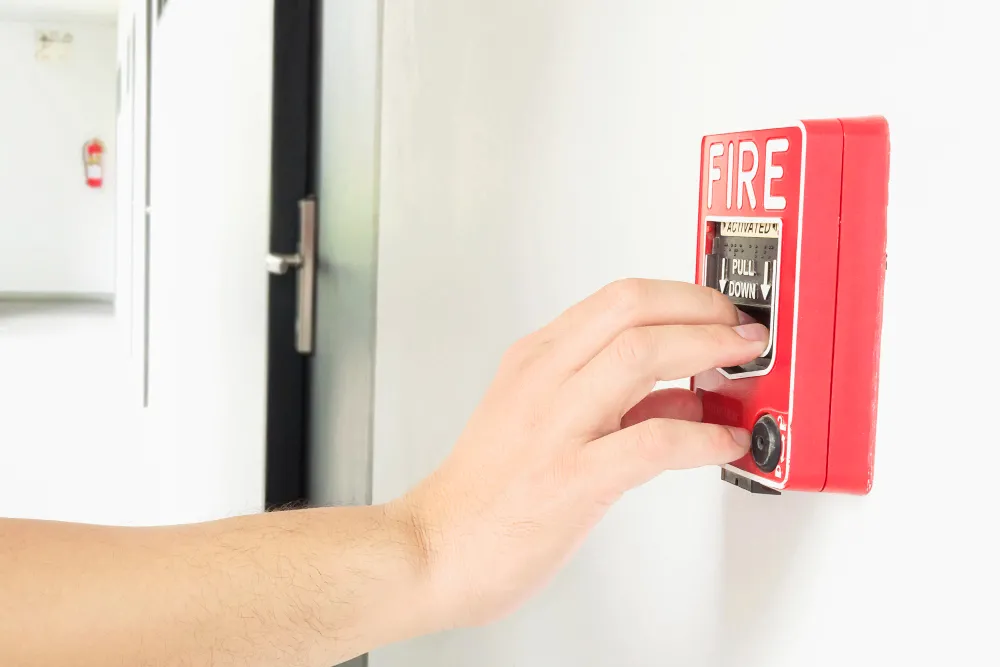
A fire alarm that beeps repeatedly is often signaling a minor issue rather than an emergency. Common causes include environmental factors, battery problems, or an aging alarm. Here’s how to address it safely:
- Dust, Steam, and Cooking Triggers
Steam from showers, smoke from cooking, or accumulated dust can confuse sensors and cause false alarms. Open windows, use exhaust fans, and gently clean the alarm vents with a soft brush or vacuum to remove dust.
- Battery Check
Low or dying batteries are one of the most common causes of continuous beeping. Replace the batteries according to the manufacturer’s instructions and ensure they are properly seated in the unit.
- Alarm Replacement
Fire alarms have a lifespan of 7 to 10 years. If your alarm is older, new batteries may not resolve the issue. Check the manufacture date on the back of the unit and replace the alarm if it has expired.
When to Call a Professional
In some situations, handling the fire alarm on your own is not safe or effective. Consider calling a professional if you encounter any of the following:
- Multiple alarms activate at once
- The system connects to monitoring and do not silence
- You are unsure which breaker controls the alarm
- If the condition is unfamiliar to you
How Elite Security Alarm Systems Help Homeowners Stay Safe
At Elite Security, we provide custom security solutions tailored to your home and needs. We help homeowners across South Florida manage fire alarms, life safety systems, and connected security tools.
From inspections to upgrades, our goal is to protect what matters while keeping systems simple. With reliable 24/7 monitoring, emergencies are handled promptly, and our team remains available to provide guidance whenever you need support.
Conclusion
When you understand your system and follow the right steps, you can fix small issues without creating new risks. Make sure you know the system type and how it works.
If simple fixes do not work, calling a professional ensures your system stays safe and reliable. With the right approach and trusted support, your home remains protected.