
Do you know carbon monoxide poisoning kills over 400 Americans and sends 50,000 to emergency rooms? Called the “silent killer,” carbon monoxide (CO) is impossible to detect by sight, smell, or taste.
Since your senses cannot warn you about this deadly gas, a working CO alarm is your only defense. Yet when that alarm beeps, many people get confused about whether it is a false alarm or time to evacuate immediately.
In this guide, we will show you what to do on your carbon monoxide alarm beeping and how to reset it safely. You will also explore how to prevent CO dangers in the future so your home and loved ones stay protected.
What Does a Carbon Monoxide Alarm Do?
A carbon monoxide alarm constantly checks the air in your home for harmful levels of CO. This poisonous gas forms when fuels such as natural gas, wood, coal, or oil do not burn completely. There are also some common household sources of CO, including gas stoves, furnaces, water heaters, and fireplaces.
When the detector senses unsafe CO levels, it triggers a loud alarm to alert everyone inside. These alarms act as an early warning system and give your family time to seek safety before symptoms of CO poisoning appear.
You should install these alarms on every floor and near all sleeping areas to get maximum protection throughout your home.
What Does It Mean When Your CO Alarm Is Beeping?
If your carbon monoxide alarm starts beeping, it signals that something requires your immediate attention. The pattern of the beeps usually indicates the issue:
- Continuous Beeping
Continuous beeping means dangerous levels of carbon monoxide are present. Evacuation must be done immediately.
- Intermittent Single Chirp
A single chirp every minute usually signals a low battery that needs replacement.
- A Series of Beeps Followed by a Pause
This often indicates that the alarm has reached the end of its lifespan and should be replaced with a new unit.
Carbon Monoxide Alarm Beep Patterns Quick Guide
Recognizing the pattern of your alarm’s beeps saves time and potentially lives. Most modern detectors follow a standardized set of signals to tell you exactly what is wrong.
- Four Loud Beeps and a Five-Second Pause: This signal means the device has detected dangerous levels of carbon monoxide. You must evacuate immediately.
- Single Chirp Every 30 to 60 Seconds: This pattern indicates the battery is low. You need to replace the power source to keep the device active.
- Five Beeps Every Minute: This pattern typically means the unit has reached the end of its life. Most sensors last five to seven years before they require a full replacement.
Carbon Monoxide Detector Beeping Every 30 Seconds (Causes & Fixes)
If your carbon monoxide alarm is beeping persistently every 30 seconds, the device is likely struggling with a low battery or a technical malfunction. We find that many homeowners ignore this “chirp,” thinking it is a minor glitch, but a weak battery prevents the sensor from triggering during a real threat.
To fix this issue, swap out the old batteries for fresh alkaline ones immediately. If the sound continues after a battery change, check the “replace by” date on the back of the unit. Dust buildup inside the sensor chamber can also trigger these sounds. Use a vacuum or a can of compressed air to clear out any debris that might interfere with the internal components.
Carbon Monoxide Detector Beeping with a New Battery
It is beyond frustrating to hear your carbon monoxide alarm beeping with a new battery. This usually happens because the unit’s internal memory is still “stuck” on the old error code and needs a manual reset to realize it actually has full power again.
Follow these steps to silence the unit:
- Remove the device from its mounting bracket.
- Take out the new batteries.
- Hold the “Test/Reset” button for 15 to 20 seconds to drain any remaining charge.
- Reinsert the batteries and listen for a confirmation beep.
If the carbon monoxide detector’s random beeping continues, the unit may have a “latched” error, or the internal sensor may have failed. In such cases, installing a brand-new detector is the only safe solution.
False Carbon Monoxide Alarms: Common Causes
A carbon monoxide alarm going off does not always mean there is a confirmed leak, but every alarm should be treated as real until proven otherwise. High humidity or steam from a nearby bathroom can sometimes trick the sensor. Small household appliances also cause issues.
We often see detectors placed too close to gas stoves or heaters, where tiny, non-lethal amounts of CO are present during startup. These “nuisance alarms” happen when the sensor is overwhelmed by proximity rather than a house-wide leak.
Chemical fumes from heavy-duty cleaning products or fresh paint can also trigger a CO2 alarm (though these devices specifically monitor CO).
What to Do Immediately When Your Carbon Monoxide Alarm Goes Off
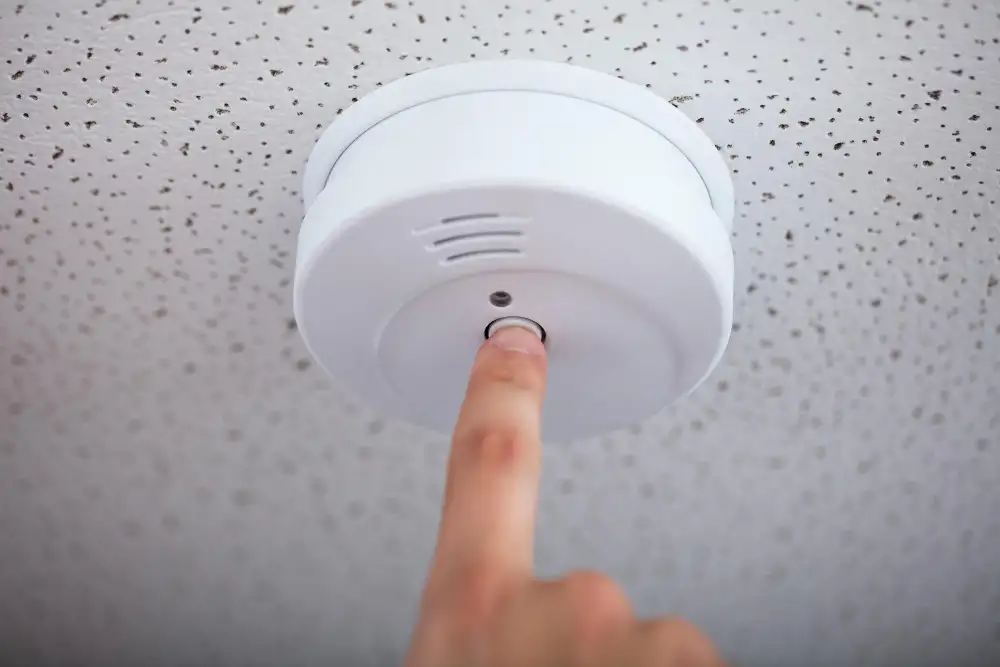
When your CO alarm sounds, act fast, as your safety depends on it. Here’s a clear, step-by-step action plan to follow the moment your CO alarm sounds.
- Stay Calm But Act Quickly
Panic can lead to mistakes. Take a moment to breathe and keep in mind that your alarm is simply doing its job to keep you safe. Avoid investigating the source yourself. The safest action is to leave right away.
- Move Everyone Outside Immediately
Gather all family members, guests, pets, and everyone at home. Do not stop to open windows or search for belongings. Do not stop to open windows or collect belongings. The goal is to get outside into safe, clean air as quickly as possible. Once you are out, do a quick headcount to ensure no one is left behind.
- Call 911 or Emergency Services
Once you are outdoors, dial 911 or your local emergency number. Inform them that your carbon monoxide alarm is beeping and that you suspect a CO leak. Trained responders have the right equipment to detect and handle carbon monoxide safely.
- Do Not Re-enter Until It’s Declared Safe
Don’t go back inside, even if the alarm goes quiet. Opening windows may temporarily lower CO levels, but the source could still be releasing gas. Wait for emergency responders to test the air quality and declare the property safe before returning.
- Alert Neighbors and Building Managers
If you live in an apartment or townhouse, notify your neighbors and building management. Carbon monoxide can seep through walls and shared vents. A quick warning could prevent harm to others around you.
How to Reset Carbon Monoxide Alarm Safely
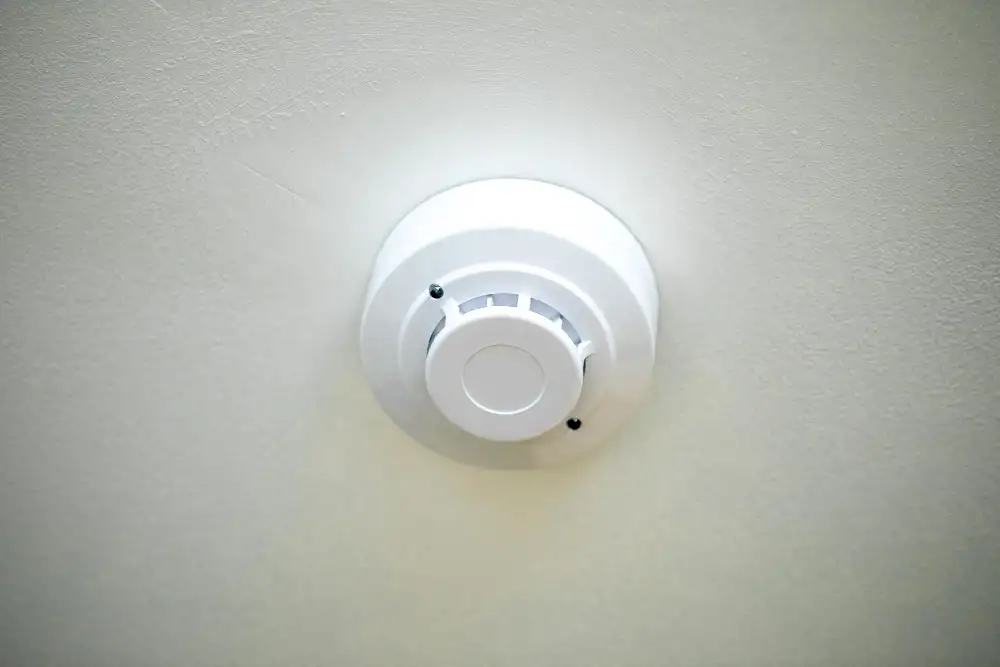
After your alarm has been checked and your home declared safe, it’s important to reset your system correctly and stay alert for any signs of lingering carbon monoxide exposure. Although the specific steps may differ by model, most carbon monoxide detectors follow a similar procedure:
- Hold down the reset or test button for roughly 5–10 seconds.
- Wait for the alarm to stop beeping or for the indicator light to return to normal (usually green).
- If the alarm keeps beeping, check and replace the batteries.
- If it still doesn’t reset or the device is past its expiration date (typically 5–7 years), replace the entire unit.
Tip: Always check your alarm’s user manual for model-specific directions to ensure you reset it safely and correctly.
Warning Signs of Carbon Monoxide Poisoning You Should Never Ignore
Carbon monoxide poisoning symptoms often mimic the flu, which is why many victims do not recognize the danger until it is too late.
If you find your Carbon Monoxide alarm going off and anyone is experiencing the following signs, seek medical help immediately.
- Persistent headache or dizziness
- Fatigue, weakness, or confusion
- Nausea or vomiting
- Shortness of breath or chest pain
- Blurred vision
- Loss of consciousness
Stay Safe with Elite Security Alarm Systems
Real safety is not just about having an alarm. It is about knowing your home is protected from every kind of danger, even the ones you cannot see. That is where Elite Security Alarm Systems comes in.
We design and install fire and life safety systems that work quietly in the background, ready to alert you when it matters most. From smart smoke and carbon monoxide detectors to home automation and 24/7 professional monitoring, our systems are built to keep your family safe around the clock.
For more than 25 years, families throughout South Florida have relied on us to safeguard their homes with skill and dedication.
Step-by-Step Carbon Monoxide Alarm Troubleshooting Checklist
If your carbon monoxide detector’s chirping is driving you crazy, use this practical list to find the source:
- Identify the Sound: Is it four loud blasts (Emergency) or a single chirp (Maintenance)?
- Check the Power: Ensure the battery pull-tab is completely removed and the batteries are oriented correctly.
- Clear the Air: Move the alarm away from humid areas or the kitchen to see if the beeping stops.
- Press the Reset: Use the “How to reset carbon monoxide alarm” steps mentioned above to clear any old error codes.
- Inspect the Date: Look for the manufacturer’s date. If the device is over seven years old, the sensor is likely dead.
- Stop the Noise: If you need to temporarily stop a carbon monoxide alarm from chirping, removing the battery is an option only if you are replacing the unit immediately.
When a Carbon Monoxide Alarm Is a Real Emergency
Four loud beeps that repeat without stopping signal a high-level carbon monoxide emergency. This pattern means the sensor sees high CO levels that can cause dizziness, headaches, or even death. If the alarm stays on, gather everyone and move to fresh air outdoors right away.
Once you are safely outside, call 911 or your local fire department right away. Stay out of the house. Do not step back inside for any reason until trained responders arrive and confirm the air is clear using proper detection equipment. The Consumer Product Safety Commission reports that carbon monoxide ranks among the top causes of accidental poisoning deaths in the country, so every minute spent waiting around matters.
Conclusion
When your carbon monoxide alarm starts beeping, never ignore it. That sound is your home’s way of warning you that something’s wrong. Act fast by getting everyone outside, calling emergency services, and staying out until professionals confirm it’s safe to return.
Once the danger has passed, take a few minutes to test your alarms regularly and replace them when needed to make sure they’ll always be ready.
Carbon monoxide is silent but deadly. Awareness and the right safety systems can keep your family safe from this invisible danger every day.
If you are ready to take your home’s safety to the next level, rely on trusted home security systems such as Elite Security Alarm Systems. They can help you build a safer space with customized protection designed for South Florida homes.
FAQs
How often should I test my carbon monoxide alarm?
We recommend testing your alarm once a month by pressing the “test” button. You should also replace the batteries every six months, even if you do not hear a low-battery chirp. For more safety tips, check the National Fire Protection Association guidelines.
Can a carbon monoxide detector go off without carbon monoxide present?
Steam, extreme humidity, and heavy cleaning chemicals can trigger a false alarm. Dust inside the sensor or a unit that has reached its expiration date can also cause the device to sound without gas present.
Can carbon monoxide alarms give false alarms?
Though it is uncommon, carbon monoxide alarms can give false alarms. Steam, cigarette smoke, or nearby vehicle exhaust can sometimes trigger the alarm.
Can pets be affected by carbon monoxide before humans?
Pets can show symptoms of carbon monoxide poisoning sooner than humans due to their smaller size. If your pet appears disoriented or begins vomiting, move outdoors immediately and contact emergency services.
Do I need a carbon monoxide alarm if I only use electricity?
If your home has no gas appliances or a fireplace, your CO risk is very low. However, if you have neighbors with shared walls or live in an apartment building, installing one is still a smart safety precaution.