Every 15 seconds, a burglary happens in the United States. That means by the time you finish reading this paragraph, someone’s peace of mind may have been stolen.
Feeling safe at home goes beyond just locking the doors anymore. Today’s technology offers home security systems that help you protect your property and everyone in it.
But with so many options available, the real challenge lies in finding a system that truly fits your lifestyle and budget.
This guide explores the five most common types of home security systems along with their pros and cons so you can make a well-informed decision about your home’s safety. Let’s get started!
1. Monitored Security Systems
Monitored security systems are among the most trusted forms of protection available today. These systems link your property to a professional monitoring center that keeps an eye on your home 24 hours a day.
When a sensor is triggered, the monitoring team immediately checks the alert and contacts emergency services if needed.
This type of system is ideal for families who travel often or businesses that cannot afford security gaps. The constant monitoring means someone is always ready to respond, even when you are not home.
Monitored systems often include a combination of motion detectors, entry sensors, control panels, and cameras. They can also integrate smoke and carbon monoxide detectors to provide complete protection from both intruders and environmental dangers like fire or gas leaks.
Pros:
- Provides round-the-clock professional protection
- Immediate response during emergencies
- Reduces the risk of property loss
- Offers peace of mind to homeowners and business owners
- Often includes extra features like fire alerts.
Cons:
- Requires a monthly monitoring fee
- May need professional installation
- False alarms can sometimes lead to additional charges.
2. Unmonitored Security Systems
Unmonitored systems are one of the most common types of alarm setups that offer you an affordable yet effective option for basic home security. These systems use alarms, sensors, and sirens to alert you and your neighbors when an intrusion occurs.
Instead of contacting a monitoring center, you receive the notification directly through your smartphone or control panel.
These security systems work best for small homes or areas with low crime rates. They are also an excellent choice if you want to avoid long-term contracts or recurring fees.
These systems depend on your ability to respond, but they still play a powerful role in deterring burglars. Loud sirens, flashing lights, and visible sensors make any break-in attempt risky for criminals.
Pros:
- No monthly monitoring costs
- Easy to install and operate
- Ideal for small properties and budget-conscious users
- Customizable with add-on sensors or cameras
Cons:
- Relies entirely on the homeowner to take action
- Less effective if you are away or without service coverage
3. Wired Security Systems
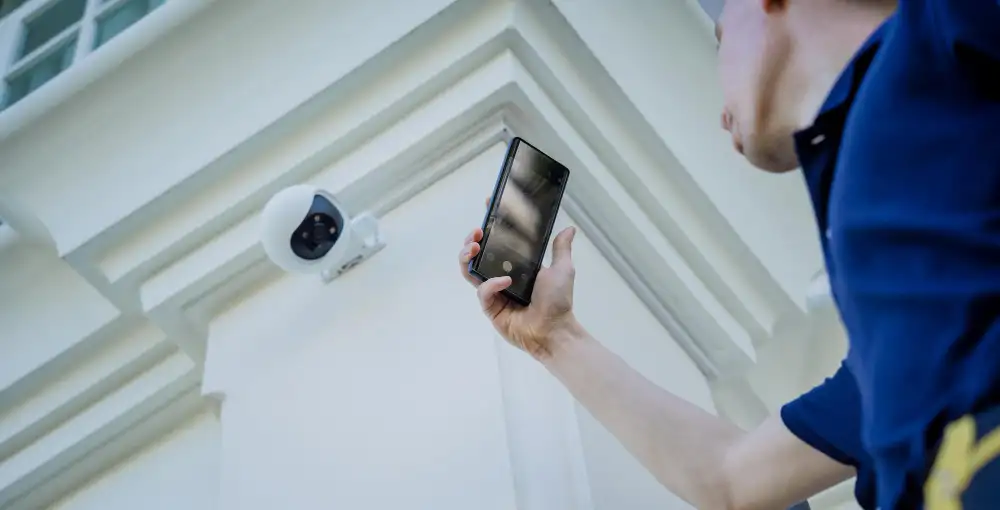
Wired security systems are the traditional backbone of home protection. They operate through a network of cables that connect sensors and alarms directly to a power source and monitoring station. Because they do not rely on Wi-Fi, they offer stable and consistent performance.
These systems are best suited for large homes and long-term residences that need around-the-clock protection.
However, installation can be time-consuming and may involve drilling and structural modifications. For this reason, wired systems are often included in newly constructed buildings or major renovations.
Pros:
- Highly reliable and secure
- Not affected by wireless interference
- Can cover large areas with multiple sensors
- Requires little ongoing maintenance
- Excellent for permanent installations
Cons:
- Installation can be costly and complex
- Not portable; difficult to move or upgrade
- Wires can be damaged during maintenance or weather events
4. Wireless Security Systems
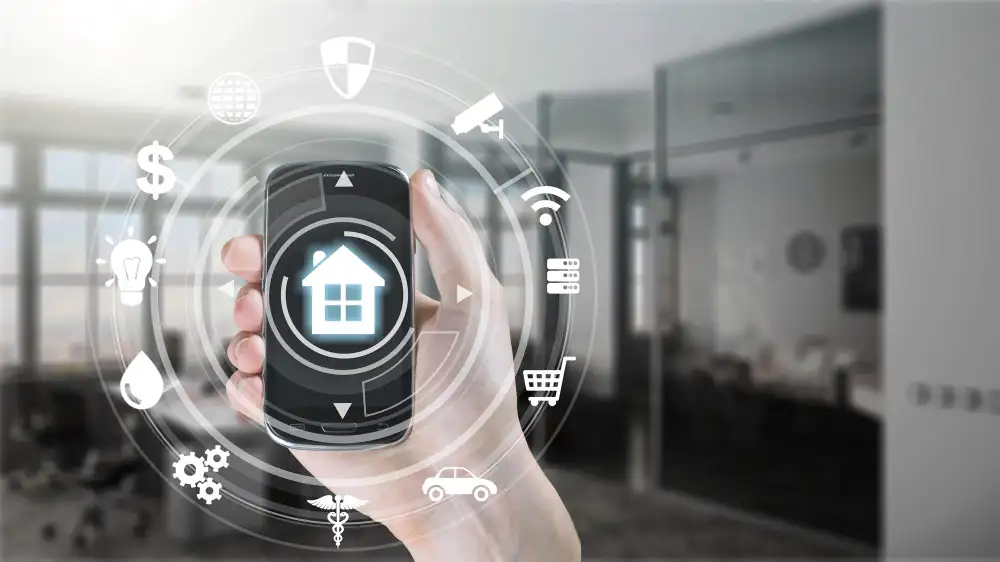
Wireless home security systems are one of the most advanced types of security alarm technology that offer modern protection without the need for wires.They use radio signals and Wi-Fi connections to link cameras and alarms to a central control panel or your mobile device.
Their flexibility makes them an attractive choice for renters and smart-home enthusiasts. You can install them quickly without drilling or wiring. Plus, you can easily remove or expand them as your needs change.
These systems often include smart automation features like voice control and remote monitoring. This means you can use simple voice commands to control your security setup or check what’s happening at home in real time.
You can arm or disarm your alarm, lock doors, or view live footage from your phone, even when you are miles away.
Wireless systems come in both DIY and professionally installed versions. DIY options are cheaper, while professional installation makes sure everything works perfectly.
Pros:
- Quick and easy setup
- Portable and scalable, which is ideal for renters
- Remote access through mobile apps
- No wires or complex installations
Cons:
- Can experience signal interference
- Requires battery replacements
5. App-Based Security Systems
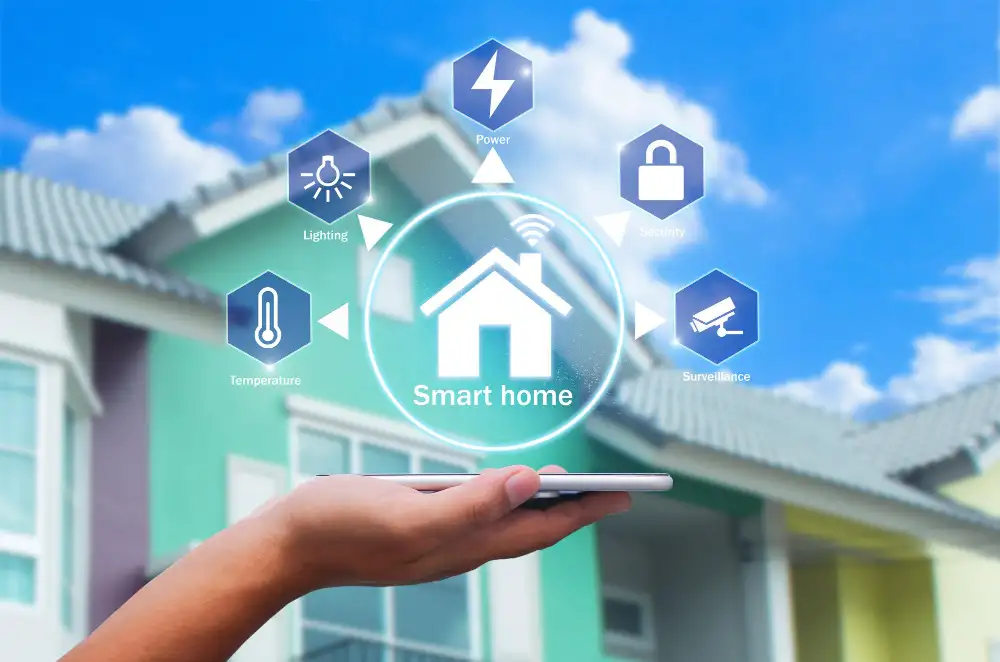
App-based security systems represent the future of home safety. They let you control and monitor your home right from your phone or tablet anytime, anywhere.
You can get instant alerts and even control the lights and thermostat from one app.
Many of these systems use smart features like motion detection, facial recognition, and voice commands. You can even set your alarm to arm automatically when you leave or unlock the door for a guest without being there.
If you like the convenience of managing everything from phone and don’t need 24/7 professional monitoring, an app-based system could be a perfect fit. They’re also great for small business owners who want to keep an eye on multiple locations remotely.
Pros:
- Smart, user-friendly control through mobile apps
- Integration with home automation devices
- Real-time alerts and video access
- Flexible plans with optional cloud storage
- Easy customization and scalability
Cons:
- Depends on internet connectivity and app stability
- May require subscription fees for advanced features
Elite Security Alarm Systems: South Florida’s Trusted Security Experts
If you are looking for dependable protection and responsive local service, Elite Security Alarm Systems is the name South Florida trusts. For over 25 years, this Homestead-based company has delivered custom-designed security solutions tailored to each customer’s needs and budget.
Partnering with top brands such as Honeywell, Silent Knight, and Uniview, Elite Security Alarm Systems combines advanced technology with personalized care.
With 24/7 monitoring and a friendly, professional team, Elite Security Alarm Systems continues to protect homes and businesses while providing true peace of mind every day.
Conclusion
Choosing the right home security system isn’t just about the equipment. It’s about feeling safe and confident in your own space.
Before you decide, think about your home’s size, location, budget, and the level of protection you need. Whether you prefer the convenience of a smartphone-controlled system or the reliability of a wired setup, there’s a solution designed to fit your needs.
By trusting Elite Security Alarm Systems, you can take the first step toward a safer, more secure home today.
FAQs
What is the best home security system for families?
Monitored security systems are often the best choice for families. They provide 24/7 professional monitoring and quick emergency response. You get peace of mind knowing someone’s always watching over your home.
Can I install a security system myself?
You can definitely install a security system yourself, especially if it’s wireless or app-based. Still, having a professional handle the setup can make sure every sensor and camera covers the right area.
Can security systems work during a power outage?
Most newer security systems will still work if the power goes out. Backup batteries keep them running, and monitored systems usually stay online using cellular signals.