When a fire breaks out in an empty, closed-for-the-day building, it creates a dangerous situation. A standard smoke detector might trigger a siren, but that noise does nothing if no one is around to hear it. The flames can spread through the walls for a long time before anyone outside notices the danger. This delay is often the reason small fires become total losses for property owners.
A monitored fire alarm system solves this problem by removing the need for a human witness. Instead of creating noise in an empty room, it sends an immediate digital alert to a team of experts.
This monitored fire alarm approach is vital for business fire safety because it automatically summons help. By connecting your sensors to a professional hub, you gain a layer of protection that works even when the building is vacant.
In this guide, we will break down how a central station fire alarm works, what makes it different from a basic alarm, and how to pick the right service for your business.
What is a Centrally Monitored Fire Alarm?
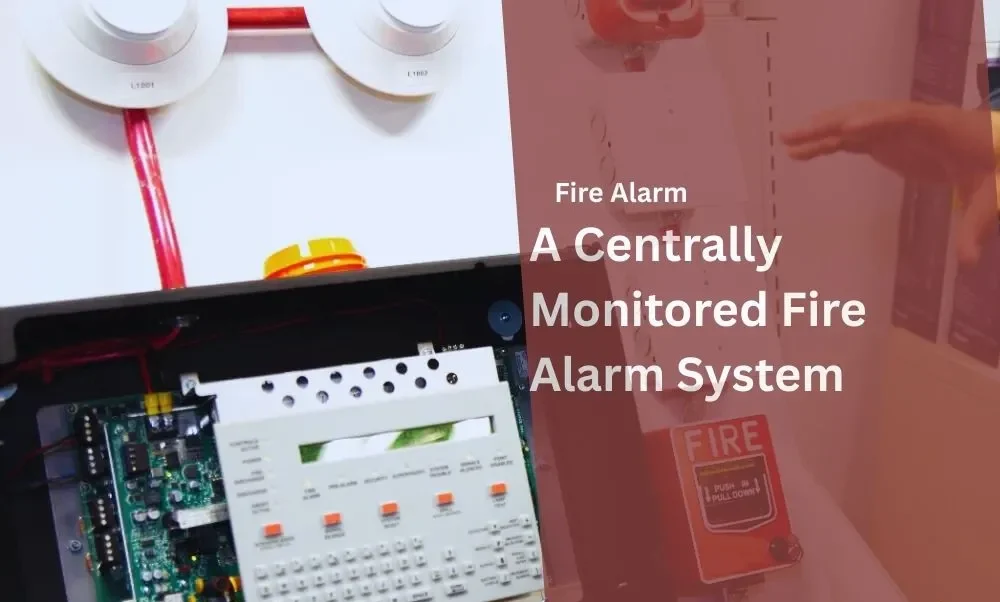
A centrally monitored system is a setup in which your fire panel is always connected to a remote security hub. It does not just sit on your wall waiting to beep. Instead, it sends data every second to a team of experts who watch over your property from a distance.
But what is a central fire alarm exactly? At its core, it is a link between your building and a UL-listed monitoring station. When a sensor picks up heat or smoke, it sends an electronic signal to this station.
Operators monitor incoming signals 24/7/365, quickly confirming the event and initiating the appropriate response. This constant supervision forms the backbone of a central fire alarm, ensuring your building is never left unprotected.
How a Monitored Fire Alarm System Works
The process usually takes less than a minute from the first sign of smoke to the dispatch of a fire truck. Here is the step-by-step breakdown of how these systems protect your property.
1. Detection and Signal Transmission
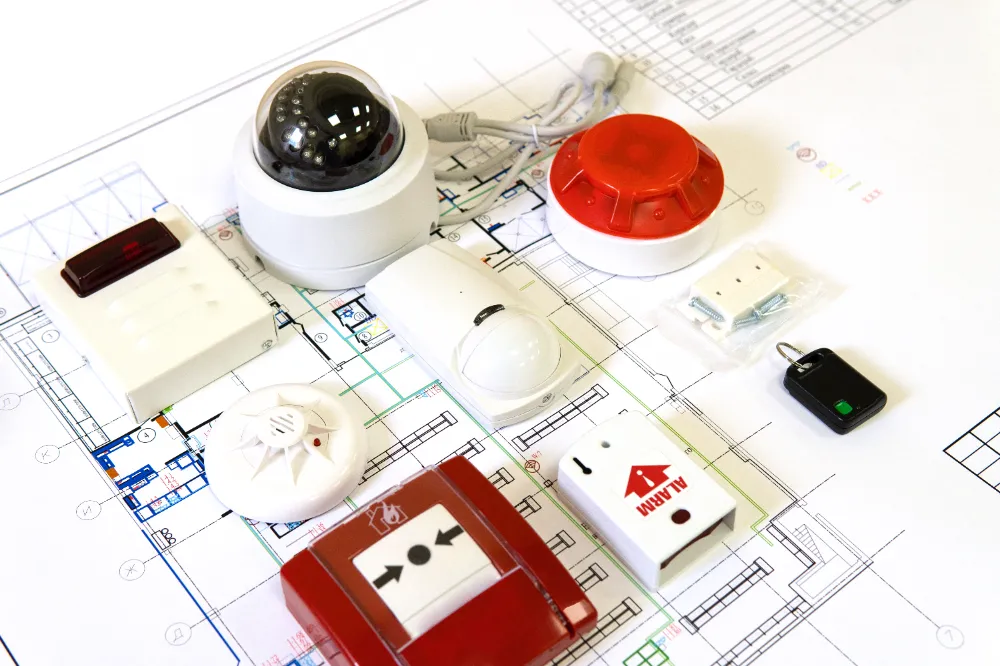
The process starts at the device level, where smoke detectors or heat sensors detect a problem. Once triggered, the fire panel translates the event into a digital signal. That signal is then transmitted through a cellular connection or wireless mesh network to the monitoring center. Because the alert is routed to an off-site monitoring hub, this configuration is commonly known as a central station fire alarm setup.
2. Fire Alarm Central Monitoring Station Response
The monitoring station receives the alert on its screens. Operators see your business name and the exact location of the fire. They can tell if it is a smoke detector in the kitchen or a pull station in the lobby. This fire alarm central monitoring process is highly organized. The operator will usually try to call the property manager while they look at the data to ensure it is a real emergency.
3. Emergency Services Are Dispatched
If the operator confirms a fire or if they cannot reach anyone on the contact list, they call the fire department. They provide the dispatchers with your address and the type of alarm. It happens in seconds and removes the need for someone nearby to notice the fire and call for help manually.
Monitored vs Non-Monitored Fire Alarm Systems
A non-monitored system is just a loud noise maker. If your building is in a quiet area or it is late at night, that noise does nothing to save the property. It relies 100% on a human being present and able to call 911.
Monitored systems are proactive and act on your behalf. That is why a fire alarm for business properties must be monitored to meet most local building codes. A local alarm might save lives if people are awake and inside, but it will not save the building if it is empty. Central Monitoring is the way to get 24/7 safety.
Key Benefits of a Monitored Fire Alarm System
Investing in a centrally monitored fire alarm system changes the way you manage your property risk. There are several clear reasons why businesses make this choice.
1. 24/7 Professional Monitoring
You cannot be at your office every hour of the year. Keeping someone in the building around the clock is expensive and not practical. A monitoring service acts as a digital guard. They never sleep, and they never miss a signal.
2. Faster Emergency Response
Fire grows at an exponential rate. Every 30 seconds, a small flame can double in size. A monitored system cuts down the time it takes for firefighters to get to your door. This prompt response can mean the difference between a small repair and a total loss of the property.
3. Better Protection for Staff and Property
If a fire starts while employees are working, they might panic. They might forget where the fire extinguisher is and fail to call 911 while evacuating. The system takes that burden off their shoulders. They can focus on getting out safely while the system handles the call for help.
4. Peace of Mind for Business Owners
When the owners know the building is safe, they can sleep better. You don’t have to check your phone every hour to look at camera feeds. The monitoring station is already doing the work for you.
How to Choose the Right Fire Alarm Monitoring Service
Not every service provider offers the same level of care. When you look for a partner, you should check for a few specific things to ensure you get the best protection.
UL Certification: Look for a UL-listed station. It means they meet the highest national standards for safety and speed.
Redundant Links: Ensure they use cellular or mesh networks. If someone cuts your phone line, the system should still be able to send a signal.
Response Times: Ask about their average dispatch time. Ideally, it should be under 60 seconds.
Maintenance Support: A good provider will also help you with inspections. They should check your batteries and sensors at least once a year.
Local Experience: A company that knows local fire codes is very helpful. They can help you stay compliant with city inspectors.
Conclusion
A fire can destroy a lifetime of work in a few hours. A monitored fire alarm system is the most effective tool to prevent that destruction. It turns your fire alarm from a simple buzzer into a direct line to emergency responders. This level of safety protects your staff and your assets around the clock.
If you currently rely on a local alarm, you should consider an upgrade. Central monitoring is an affordable way to secure your future. It is a small monthly cost that provides a massive safety net.