
An experienced intruder can get inside your home in under a minute. That leaves you almost no time to react, even if you’re just a few rooms away. Many property owners underestimate how quickly a situation can escalate until they are faced with stolen valuables or serious fire damage.
The real problem goes beyond just picking any security system from a store. You need to understand what a security alarm system is and how this technology is actually built to protect how you live or work.
This guide breaks down everything you need to know before making a decision. We’ll explain what a security alarm system is, how it works, and the key choices that affect your level of protection. You’ll also learn about the specific mistakes that leave homes vulnerable. By the end, you’ll know exactly what kind of protection your property actually needs.
What Is a Security Alarm System?
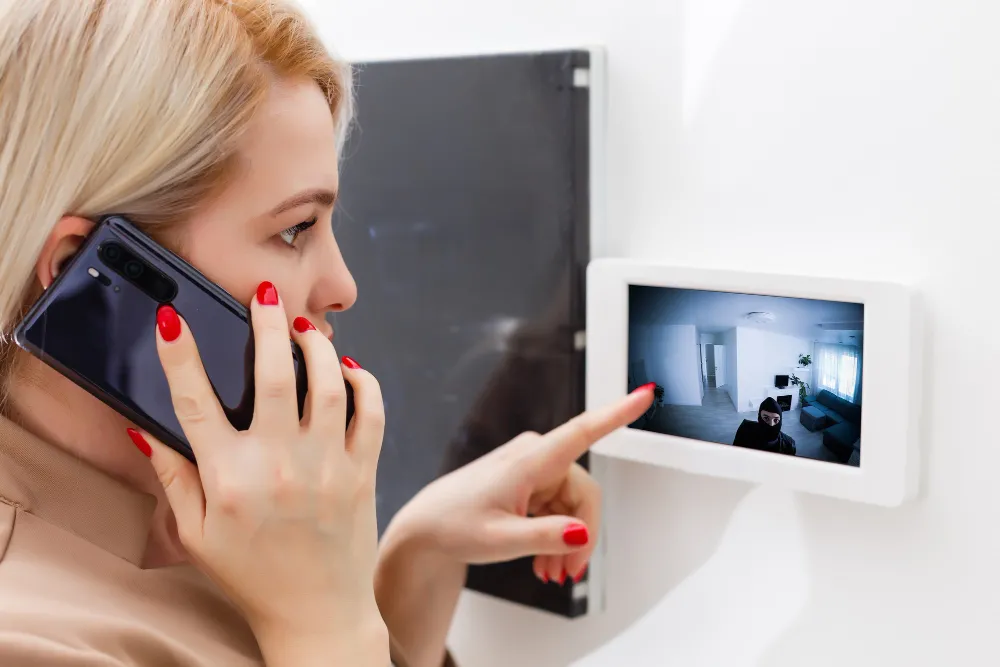
Think of a security alarm system as your property’s digital immune system. It isn’t just a single gadget, but a coordinated system of sensors connected to a central control panel that monitors your home or business
When a window pane vibrates or a door seal breaks, the sensors communicate with the control panel, which then decides whether to sound an alarm, send a mobile alert, or notify a 24/7 monitoring centre for immediate response.
Modern systems go way beyond just anti-theft. They are now life-safety hubs. We are talking about smoke detectors designed to better distinguish between minor cooking smoke and a real fire, or moisture sensors that catch a leaking pipe before your basement turns into a swimming pool. This turns a basic alarm into a full-scale property guard.
Top Security Systems of the Year
Not every security system offers the same level of protection, reliability, or long-term value. Before comparing providers, it is important to understand the factors that have the biggest impact on real-world performance.
- Real equipment reliability
- Contract terms
- How hardware handles real-world failures
Below is a breakdown of the top options available right now. The list starts with local custom setups and then moves into national DIY and corporate brands.
1. Elite Security Alarms
Elite Security Alarms builds custom security solutions made specifically for South Florida properties. The company avoids mass-market boxes that try to fit every home the same way. Instead, Elite installs professional-grade hardware from Honeywell Home and Resideo, and it pairs that hardware with commercial-grade sensors.
Every system uses a dedicated cellular backup for communication. This means a burglar cannot disable the alarm signal by simply cutting the internet cable outside the house. Florida weather brings heavy storms and frequent lightning strikes, so the hardware also includes strong surge protection and heavy-duty battery backups. Monitoring runs through a UL-listed central station that operates 24/7. The dispatchers understand local police protocols in Miami-Dade, Broward, and Palm Beach counties.
2. DSC PowerSeries Neo
The DSC PowerSeries Neo is a hybrid system. It blends the reliability of traditional hardwired equipment with the flexibility of encrypted wireless expansion. The platform uses PowerG technology, which encrypts wireless sensor signals so that tech-savvy intruders cannot jam the radio frequencies. This system works well for large properties and historic buildings. Running wires through every wall is often impossible in these spaces, yet full security coverage is still required.
3. Qolsys IQ Panel 4
The Qolsys IQ Panel 4 is an all-in-one touchscreen platform that runs on an Android operating system. The panel includes a built-in 8-megapixel camera that snaps a photo of anyone who disarms the system. This feature helps owners track unauthorized user codes. The unit also combines LTE cellular communication, Wi-Fi, Z-Wave automation, and Bluetooth touchless disarming into a single wall-mounted device.
4. Resideo Honeywell Home ProSeries
The Resideo ProSeries is the modern version of the classic Honeywell Vista panels. The platform uses a modular design, so homeowners can add LTE cellular cards or smart home modules later as their needs grow. The keypad also supports hands-free disarming and includes an Amazon Alexa integration built right into the main panel.
5. Ring Alarm Pro
The Ring Alarm Pro is built for the do-it-yourself market. The base station includes a built-in eero Wi-Fi 6 router, which is the feature that sets this system apart. When the main internet provider goes offline, the base station can keep the whole home connected through a cellular SIM card. The system uses standard wireless sensors that peel and stick directly onto doors and windows. This feature makes the Ring Alarm Pro a popular pick for renters and smaller homes.
6. SimpliSafe
SimpliSafe is a straightforward DIY system that avoids long-term monitoring contracts. The hardware has a clean, minimalist look that blends into most residential spaces. The platform does not offer deep smart home integrations or hybrid wiring options. However, the proprietary wireless protocol allows quick installation and reliable communication between sensors and the base station in standard home layouts.
Competitor Table
| System Platform | Installation Type | Primary Connection | Backup Power Duration | Best Used For |
| Elite Security Alarms | Professional Custom | Cellular & Wi-Fi | 24 Hours (Heavy Duty) | South Florida homes and businesses that need tailored, storm-resistant security |
| DSC PowerSeries Neo | Professional Hybrid | Hardwired & Cellular | 12–24 Hours | Large estates, commercial spaces, and high-security properties |
| Qolsys IQ Panel 4 | Professional Wireless | LTE Cellular & Wi-Fi | 24 Hours | Smart home enthusiasts who want touchless control and video verification |
| Resideo ProSeries | Professional Modular | Wi-Fi & LTE Modular | 24 Hours | Traditional users who want reliable hardware with room to expand features later |
| Ring Alarm Pro | DIY | Wi-Fi, Ethernet & LTE | 24 Hours (Base) | Tech-savvy DIY users who want a combined network router and security hub |
| SimpliSafe | DIY | Wi-Fi & Cellular | 24 Hours | Renters and small households seeking basic protection without long-term contracts |
Different Ways Your Alarm System Can Work
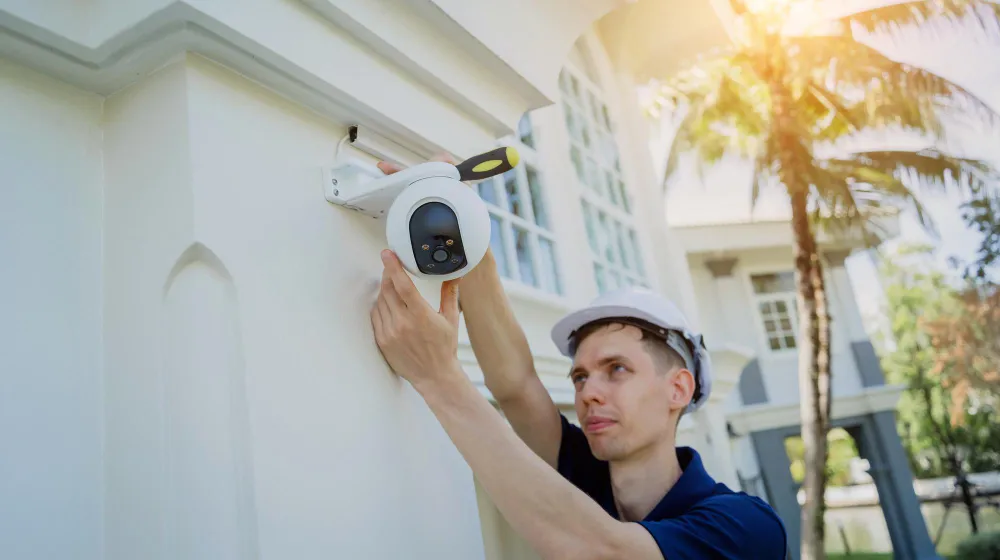
Before you start drilling holes in your walls, you need to decide how much responsibility you want to handle yourself versus handing it off to professionals. There are two main ways an alarm system can operate.
1. Managing Your System Yourself
With self-monitoring, all alerts go straight to your smartphone. If an alarm goes off while you are out, your phone notifies you, and you are responsible for checking the cameras and deciding whether to call emergency services like 911 or not. This approach can save on monthly fees, but it also means you are always on call and cannot fully disconnect.
2. Professional 24/7 Monitoring Service
Professional monitoring lets you truly relax. A trained monitoring team watches your system around the clock, so you are not the first to respond when something happens. If an alarm is triggered while you are traveling or out of town, they verify the situation and contact emergency services for you. This option provides reliable, hands-off protection and peace of mind.
How to Choose the Right Security Alarm System: Key Features to Consider
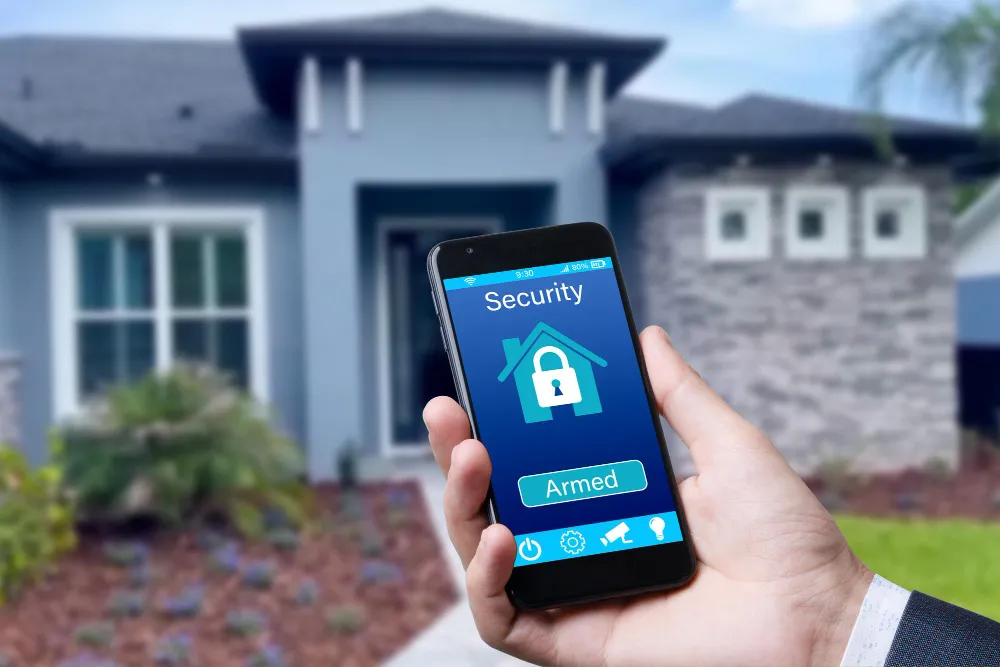
A good system shouldn’t be a hurdle you have to jump over every time you come home. It should feel invisible until it’s actually needed. Choosing the right system starts with understanding your home and the level of protection you actually need.
1. Assess Your Property Layout and Entry Points
Don’t just guess, grab a notepad and walk around. Count every single door and every window that is within reach of the ground. Thieves do not always use the front door. They often target hidden laundry room windows or side entrances near the garage. A large house in Homestead requires a different approach than a small apartment, so make sure your sensor count reflects the layout of your space.
2. Decide Between Wired or Wireless Systems
Once you know what areas need protection, the next step is choosing how the system will be installed. Most alarm systems fall into two categories: wired and wireless. Each option has its own strengths, and the right choice depends on your home and how much flexibility you want.
- Wired systems: These systems are very reliable and do not depend on Wi-Fi signals. They work best in new homes where wires can be hidden during construction. However, installing them in an existing home can be difficult and messy.
- Wireless systems: These are easy to install and very convenient. Most can be set up in just a few hours using basic tools. Keep in mind that wireless sensors use batteries, so they need to be checked and replaced from time to time to keep the system working properly.
3. Look for Smart Features and Mobile Access
A modern alarm system should connect directly to your smartphone. Mobile access lets you arm or disarm your system remotely, which is helpful if you forget to do so after leaving the house. Smart features also allow different devices to work together. For example, your porch lights can turn on or flash when a sensor is triggered. These visible responses can scare off intruders and encourage them to move on to an easier target.
4. Consider Your Budget and Installation Needs
Be realistic about your budget and your comfort with installing the system yourself. Saving money on installation may sound appealing, but mistakes like placing a motion sensor behind furniture or at the wrong angle can reduce its effectiveness. Professional installation costs more upfront, but it helps ensure everything is positioned correctly and works properly when it matters most.
How Elite Security Alarm Systems Can Help You
Elite Security provides reliable alarm systems built around your needs. Instead of pushing one-size-fits-all packages, we take the time to understand your property, your concerns, and your budget. Our team is local, so when you call, you speak with someone who understands South Florida homes and businesses.
Whether you need a full fire and theft system for a commercial space or a straightforward setup for your home, we design a solution that fits. We use trusted equipment from proven brands like Honeywell, chosen for their durability and performance in South Florida’s climate. Our goal is to keep your system working and your property protected.
Conclusion
So, what is security alarm system? An effective security alarm system focuses on real vulnerabilities rather than unnecessary features and ensures a dependable response when alerts occur.
Walk through your property this week and note the areas that worry you most. Those concerns usually point to real gaps in your security. Once you identify them, picking the right system becomes much easier.
Elite Security Alarm Systems builds custom protection plans for South Florida properties. We design systems around your specific needs instead of pushing generic packages. Reach out for a free consultation, and let’s create a solution that actually works for your space.
FAQs
After knowing what a security alarm system is, it is important to understand the important factors when choosing one. The most important factor is the communication link between your property and the monitoring center. A security system is useless if it cannot send an alert during a crisis. The best option is a system that uses a dedicated, encrypted cellular connection as its primary or backup path.
Professional monitoring is highly recommended because a loud siren alone does not guarantee that help will arrive. A self-monitored system only sends a mobile notification to your phone. If a break-in happens while you are on a flight, asleep, or out of cellular range, you will simply miss the alert. A 24/7 professional monitoring station that understands what an alarm system is, catches that signal right away, verifies the emergency, and then contacts local law enforcement for you.
A properly designed security system keeps working during power and internet failures. A reliable setup uses an internal backup battery that powers the main panel and sensors for 12 to 24 hours during a blackout. To handle internet outages, the system must also include a built-in cellular communicator. This part routes the data through local cell towers instead of your home Wi-Fi network.
Wired systems are better for long-term reliability and zero battery maintenance. They work especially well for new construction and homes with accessible crawlspaces. Wireless systems are a smarter choice for existing homes where drilling holes through finished walls is difficult or unwanted. Modern professional wireless systems use encrypted, frequency-hopping technology that matches the reliability of traditional hardwired loops.
Stay away from long-term contracts that lock you into mass-market hardware. If you decide to switch providers later, another company often cannot move or reprogram this kind of equipment. Also, avoid online package deals that include only a couple of door sensors for a large house, since the coverage will be too thin. The smarter approach is to have a professional security specialist review your floor plan, windows, and blind spots. The specialist can then engineer a balanced network of protection that fits the property.