
Most security problems in businesses don’t show up with a loud warning. They usually begin quietly. It might be a back door left unlocked, a visitor wandering into a restricted area, or an employee clicking an email link that seemed harmless at the time. These small gaps in security are rarely noticed, but they’re exactly how larger security incidents take place.
That is why corporate security is essential to close these gaps before they turn into real damage. It’s not just about responding after something goes wrong. It’s about identifying risks early and implementing systems to prevent them from spreading across your operations.
In this guide, we’ll break down what corporate security is and how the right approach protects far more than just physical property.
What Is Corporate Security?
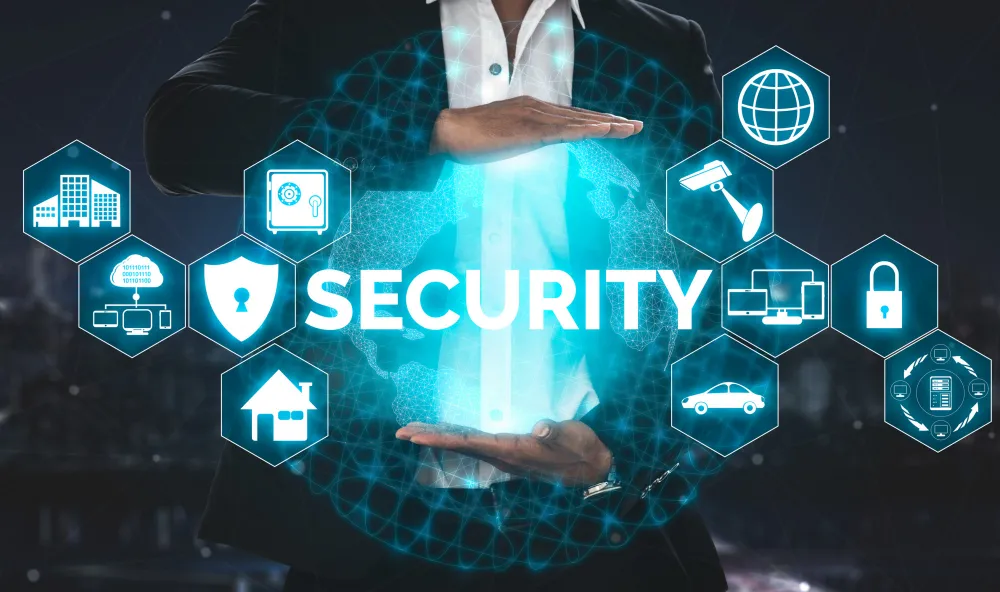
Corporate security is the strategy a business uses to protect its people, its property, and its information from threats that could disrupt operations. It combines physical tools, such as cameras and locks, with digital practices to protect data like customer records, financial information, employee details, and proprietary business systems.
The biggest misconception is that “corporate security” is only for large corporations. In reality, it’s also essential for small and mid-sized businesses, which often rely on limited access controls and fewer safeguards, making them more vulnerable to both physical and digital threats.
Effective corporate security is about moving from a reactive mindset (fixing problems after they occur) to a proactive one (preventing dangerous incidents from happening in the first place). It ensures that no matter what happens, the business keeps moving forward.
The Four Pillars of a Strong Corporate Security Strategy
To build effective corporate security, you must protect every part of the business, not just a single area. One layer of protection is rarely enough; you need different security systems that work together to cover every blind spot.
- Physical Security
This is the most visible layer of security, focused on controlling who can access specific areas and at what times. Key components include:
- Access Control: Instead of traditional keys that can be copied or lost, modern systems use keycards or mobile credentials. You can grant an employee access to the front door, but keep the server room or the warehouse restricted to specific personnel.
- Smart Surveillance: Today’s high-definition cameras allow for remote monitoring from anywhere. They help identify activity patterns and, more importantly, act as a massive deterrent to misconduct.
- Verified Alarms: Alarms are an important part of physical security. When an alarm is triggered, a professionally monitored system notifies the appropriate authorities immediately. This reduces response times and limits potential damage.
- Cybersecurity
A “front door” isn’t just made of glass and wood anymore; it’s also the Wi-Fi network and the email server. Cybersecurity protects these digital entry points using tools like firewalls and antivirus software to block unauthorized access.
Even with these defenses in place, the biggest risk is often human error. Phishing scams and ransomware are designed to trick your team. A good security solution for corporate plan includes training and tools that ensure a single accidental click doesn’t bring the whole company down.
- Information & Data Security
Think about client lists, payroll data, and proprietary designs. If that information were deleted or stolen today, could your business continue operating tomorrow?
Data security involves measures such as encryption and secure cloud storage to ensure data is backed up and recoverable. It’s also about keeping sensitive information safe so that the business can continue running smoothly even in the case of theft or accidental deletion.
- Personnel Security
Personnel security focuses on building trust within the organization and reducing internal risks. Pre-employment screening, such as identity verification and employment history checks help ensure that only qualified and trustworthy individuals receive access.
Controlled access protocols limit employee movement within facilities based on their roles and responsibilities. Additionally, clear procedures and training guide employees on how to respond if they notice unusual or suspicious activity.
Why Investing in Corporate Security Solutions Matters

After understanding the risks and the layers involved, it’s natural to ask whether investing in corporate security is truly worth it. When you look at the numbers and the long-term benefits, the answer is a resounding yes.
- It Keeps You Ready for the Unexpected
Emergencies don’t check the calendar. Whether it’s a burst pipe, a fire, or a break-in, these events can cause chaos. Corporate security solutions provide a clear plan for handling these situations. With 24/7 monitoring, your business is always under watch. This readiness turns a potential disaster into a manageable incident.
- It Stops “Quiet” Financial Losses
In 2023, data showed that about 25% of small retailers in the U.S. were losing between $1,500 and $2,000 every month to theft. In addition to missing items, such financial losses affect insurance claims and customer trust.
Professional security systems improve visibility by tracking activity and identifying patterns of theft. This allows business owners to see where losses are occurring and take corrective action.
- Better Environment for Everyone
People perform better when they feel safe within corporate security solutions. Employees can focus on their tasks without worrying about who is walking through the front door. Customers are more likely to visit and stay longer in a facility that looks and feels professional and secure. It’s about creating a “controlled” environment that feels welcoming to the right people.
- Protects Your Most Valuable Asset: Your Reputation
Trust takes years to build and only seconds to lose. If a business suffers a major data breach or a high-profile security failure, customers start to wonder if they can trust that brand with their business.
By prioritizing business security management, a company shows its clients, “Your safety and your data matter to us.” That builds a brand that lasts.
Elite Security Alarm Systems: Your Local Corporate Security Partner
At Elite Security Alarm Systems, we have been proudly serving Homestead and South Florida since 1997. Over the years, security needs have changed. But one thing remains the same: one-size-fits-all systems don’t work.
Your space, your risks, and your budget are unique. That is why we take the time to understand how your business operates. We walk your property, listen to your concerns, and design a security solution that fits your needs.
If you are starting from scratch or dealing with an outdated system, we can help. We work with trusted technology from partners like Honeywell and Uniview because our community deserves reliable protection.
Conclusion
Corporate security is the foundation that allows a business to grow without fear. It’s about protecting the hard work that has been put in and the people who make success possible every day.
When security is designed properly, it doesn’t interfere with daily operations. Your business stays protected while you focus on serving customers and building what comes next.
If you want a reliable security partner you can rely on every day, Elite Security Alarm Systems is ready to support you.
FAQs
What is corporate security?
Corporate security is a system that a business builds to secure its data, people, and property from outside threats. It involves multiple efforts such as installing fire alarms, security cameras, or data encryption. In this digital world, locking your property’s main door is not enough. You need to do some extra efforts to provide exceptional security.
Why is corporate security important for businesses?
Businesses provide security to their employees and customer data to build their trust and make sure they feel safe while working with them. A single mishap can damage customer trust and close your system for days. That’s why it is important to stay aware of the danger before any big incident.
What are the main components of corporate security?
A strong corporate security plan covers four core areas. Physical security controls who enters your building and when. Cybersecurity protects your network and devices from outside attacks. Data security keeps sensitive information encrypted, backed up, and recoverable when needed. Personnel security reduces internal risk through background checks and role-based access. Each area supports the others directly. When one area is weak, the entire setup becomes much easier for a threat to break through.
What types of risks does corporate security address?
Corporate security addresses both external and internal risks. Most people only think about break-ins or cyberattacks. But the threat can also come from within. An employee clicking a suspicious email link or someone accessing a restricted area can cause real damage fast. Business security management also prepares businesses for situations like fires or equipment failures. In case of such incidents, the business needs to keep moving and recover without losing too much ground.
What is the difference between corporate security and cybersecurity?
Corporate security covers all aspects of security, including physical security, cyberattacks, personal protection, and data defense. On the other hand, cybersecurity only addresses the security of your company’s private data, including all networks and devices. Cybersecurity is a component of corporate security. A business should have corporate security to protect all its digital assets and physical valuables.