
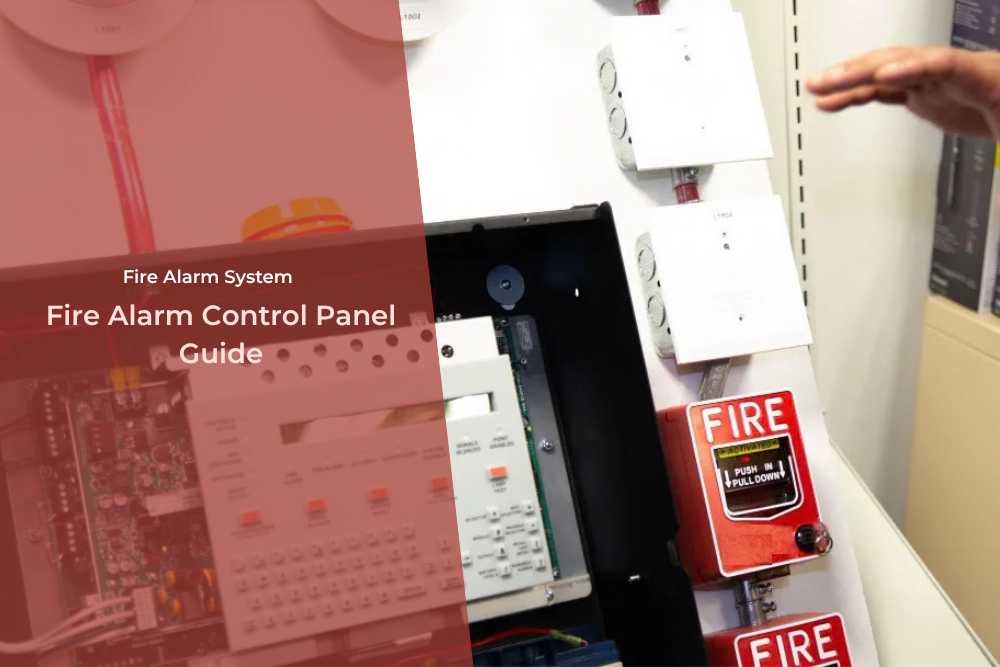
If you are planning a fire alarm system for a commercial or multi-unit property, one important decision is whether to use a conventional or addressable control panel. The right option depends on the building layout, system requirements, future expansion, and local code requirements.
In this guide, we will provide you with a complete comparative overview of both options and walk you through their differences, pros, and cons. By the end, you will be confident in making the right choice for your home, office, or any other kind of residential or commercial property. So, let’s get started without any further delay.
Quick Summary
A fire alarm control panel receives signals from initiating devices and activates the programmed notification functions. If the system connects to a supervising station, it may also transmit an alarm signal for off-site response. Conventional panels group devices into zones. Addressable panels identify each device individually. The right choice depends on the building’s size, budget, and how quickly you need the system to detect a problem.
What Is a Fire Alarm Control Panel?
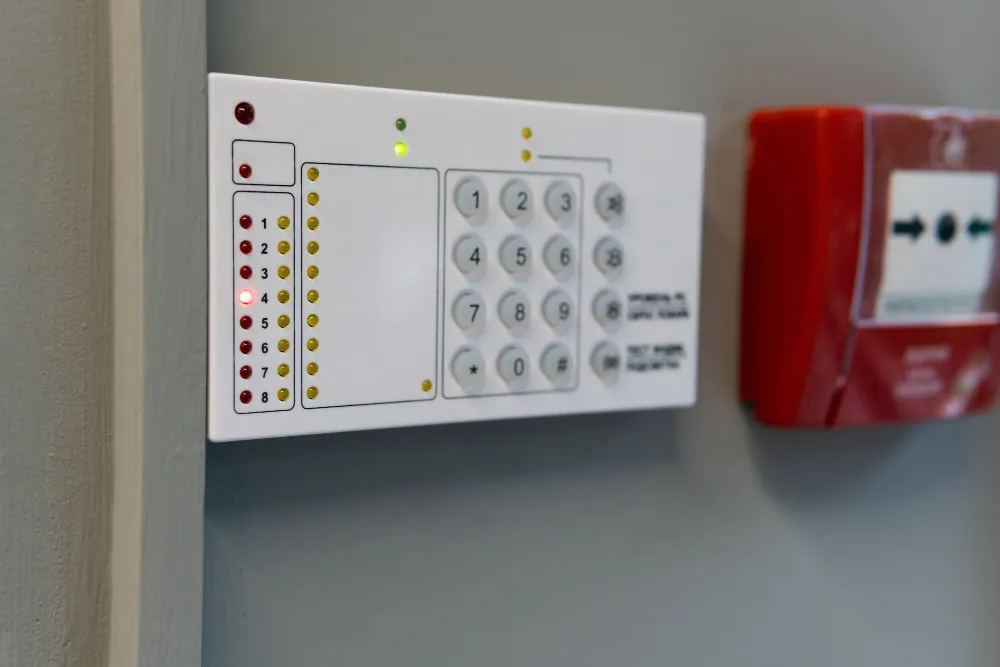
A fire alarm control panel is the central hub of home fire and life safety solutions that receives input from every detection device in a building and decides what to do with it.
When a smoke detector, heat sensor, or pull station activates, it sends a signal to the panel, which sounds alarms, lights strobes, and often calls the monitoring station automatically.
Every sensor in a building feeds data into this one unit, and the emergency response depends on it working correctly.
Main Components Connected to a Fire Alarm Panel
A fire alarm panel connects to several types of initiating, notification, supervisory, and communication equipment. The system supervises many of these circuits and devices so it can report certain faults when they occur. Here is a list of its most common components:
- Smoke detectors
- Heat detectors
- Manual pull stations
- Notification appliances such as horns and strobes
- Waterflow and supervisory devices
- Carbon monoxide detection where required
- Home security monitoring and communication equipment
- Building control interfaces
What Is a Conventional Fire Alarm Control Panel?
A fire control panel in a conventional system divides the building into zones. Each zone connects a group of initiating devices to the panel through a dedicated circuit.
When a detector activates, the panel can generally indicate which zone triggered the alarm. It cannot normally identify the exact detector that triggered it.
For example, imagine a small office with four detection zones. If a smoke detector activates in Zone 3, the panel may show an alarm for Zone 3. Staff then need to investigate that zone to find the specific device.
How a Conventional Fire Alarm System Works

A conventional system uses dedicated circuits to connect groups of initiating devices to the panel. The panel continuously monitors those circuits.
When a detector changes state, the panel recognizes the electrical change and registers an alarm. End-of-line components help the panel supervise the circuit for certain wiring faults.
A conventional fire alarm system works well when the building has a simple layout and does not require highly detailed device identification.
Pros and Cons of Conventional Fire Alarm System
Conventional panels are commonly used because they suit smaller, simpler properties where budget matters more than pinpoint accuracy. But at the same time, they come with several cons that are important to consider when making a choice.
Here is a quick overview of its benefits and limitations:
Pros:
- Lower upfront equipment and installation cost
- Simple wiring most electricians understand
- Often practical for smaller buildings with simple layouts and limited zoning needs
Cons:
- Only shows the zone, not the exact device
- Harder to scale as a building grows
- Troubleshooting means checking every device on the circuit.
What Is an Addressable Fire Alarm Control Panel?
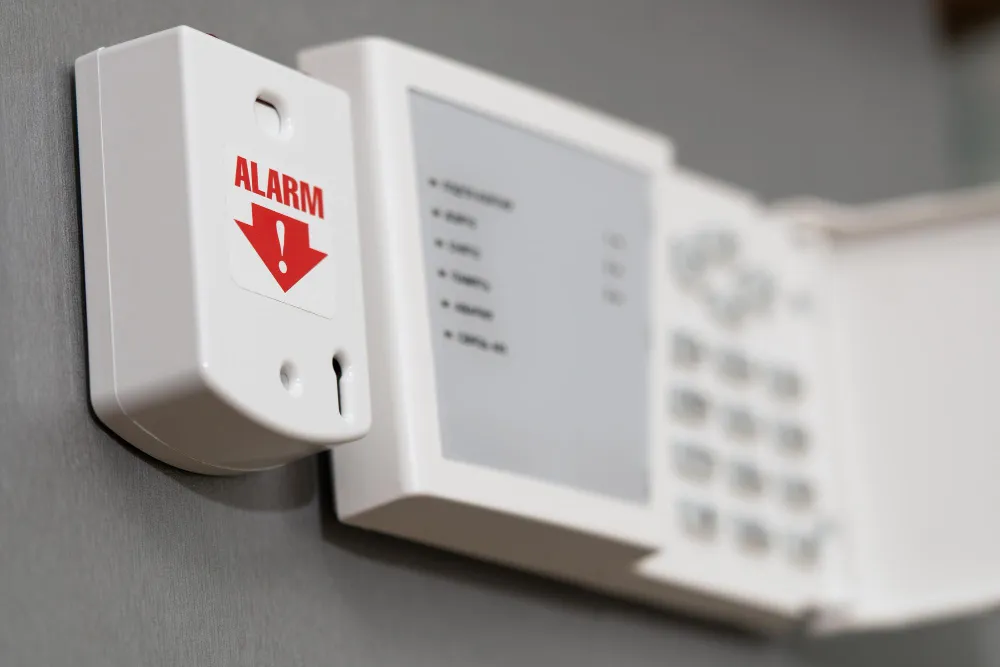
An addressable fire alarm control panel communicates with individually identified devices on the system. Each addressable device has a unique identification within the system.
That means the panel can typically report information such as a specific smoke detector, pull station, or other initiating device rather than only showing a broad zone.
An addressable FACP can therefore give responders and technicians much more precise information about where an event originated.
How an Addressable Fire Alarm System Works
An addressable fire alarm system usually connects devices through a signaling line circuit, often called an SLC. Each compatible device has its own address.
Suppose a hotel has hundreds of detectors across several floors. If one detector activates, the panel can identify that particular device. A technician does not have to search every detector on the floor just to find the source.
Addressable systems can also provide device-level status and diagnostic information depending on the equipment and system configuration.
That extra information can become especially useful in large properties where a general zone alarm would leave staff with a much larger area to investigate.
Pros and Cons of Addressable Fire Alarm System
Addressable panels cost more, but the added precision often pays off in larger or more complex properties. Just like conventional fire detection control panels, homeowners and commercial property owners should be familiar with the pros and cons of addressable fire alarm control panels.
Pros:
- Pinpoints the exact device and location during an alarm
- Continuous self-monitoring catches faults before they become failures.
- Scales easily by adding devices to an existing loop
Cons:
- Higher initial hardware and programming cost
- Requires trained technicians to set up
- Overkill for very small buildings
Addressable vs. Conventional Fire Alarm Panels: Key Differences
Both systems can provide fire detection, but they give the building owner and responding personnel different levels of information and control. Let’s compare both to find out how they differ from each other and where exactly the key differences lie.
| Factor | Conventional Panel | Addressable Panel |
| Detection Accuracy | Zone-level only | Exact device and location |
| Wiring | Simple zone circuits | Digital signaling line circuit |
| Installation | Faster, less programming | Longer, requires configuration |
| Maintenance | Manual, zone-by-zone check | Automated self-diagnosis |
| Scalability | Often requires rewiring | Add devices to existing loop |
| False Alarms | Harder to isolate cause | Easier to identify faulty device |
| Integration | Minimal | Strong, works with smart systems |
| Cost | Lower upfront | Higher upfront, often lower long-term |
| Best fit | Small Buildings | Mid-size to large properties |
Alarm Detection and Location
A conventional system generally tells you which zone has an alarm, while an addressable system can identify the individual initiating device.
This difference becomes more important as a building gets larger. In a small storefront, staff may be able to locate the activated detector quickly after the panel identifies the zone.
In a large multi-story building, a zone can cover several rooms or areas, so finding the exact device may take longer.
Wiring and System Architecture
Conventional systems use separate circuits for their zones. Devices within a zone share that circuit.
Addressable systems, on the other hand, use signaling circuits that allow the panel to communicate with individual devices. The exact wiring arrangement depends on the manufacturer and system design. The difference in wiring can affect
- Installation
- Fault Identification
- Expansion
- Service Work
A qualified designer should determine the appropriate circuit arrangement for the building rather than choosing based on panel type alone.
Installation and Commissioning
Another main difference between the two options lies in the time and difficulty involved in installation of the alarm panels.
Conventional systems may require less device programming, but installation time depends on the building and wiring design. Addressable systems require device addressing and system configuration, while their signalling architecture may reduce wiring complexity on some projects.
Maintenance and Troubleshooting
Both addressable and conventional fire alarm panels require regular maintenance to work properly. Similarly, both of them may have a sudden technical or system fault that needs to be troubleshot and fixed to restore the functionality of the complete system.
Conventional systems provide less device-level diagnostic information, so technicians may need to inspect multiple devices when locating a fault. Addressable systems can identify individual devices and may provide maintenance or sensitivity information for compatible detectors.
Scalability and Future Expansion
The ability to scale is another important factor that matters between both types of fire control alarm panels. Conventional systems can work well when the building has a stable and simple layout. Their expansion usually becomes less convenient when you need many additional zones or major changes.
On the other hand, addressable systems often offer more flexibility for larger properties and future changes. Still, you need to take the following factors into account when scaling your system:
- Capacity limits
- Compatibility
- Wiring requirements
- Code requirements
A system should have enough capacity for realistic future needs without paying for unnecessary equipment today.
False Alarm Management
Neither panel type guarantees fewer false alarms. Instead, the system may trigger false alarms based on different factors like
- Detector selection
- Detector placement
- Environmental conditions
- Maintenance delays
- System programming errors
However, systems can provide more detailed information about which device is activated. That can make recurring issues easier to identify and correct.
For example, if one detector repeatedly activates near a source of dust or cooking vapors, device-level information can help a technician pinpoint the pattern instead of reviewing an entire zone.
Integration With Other Building Systems
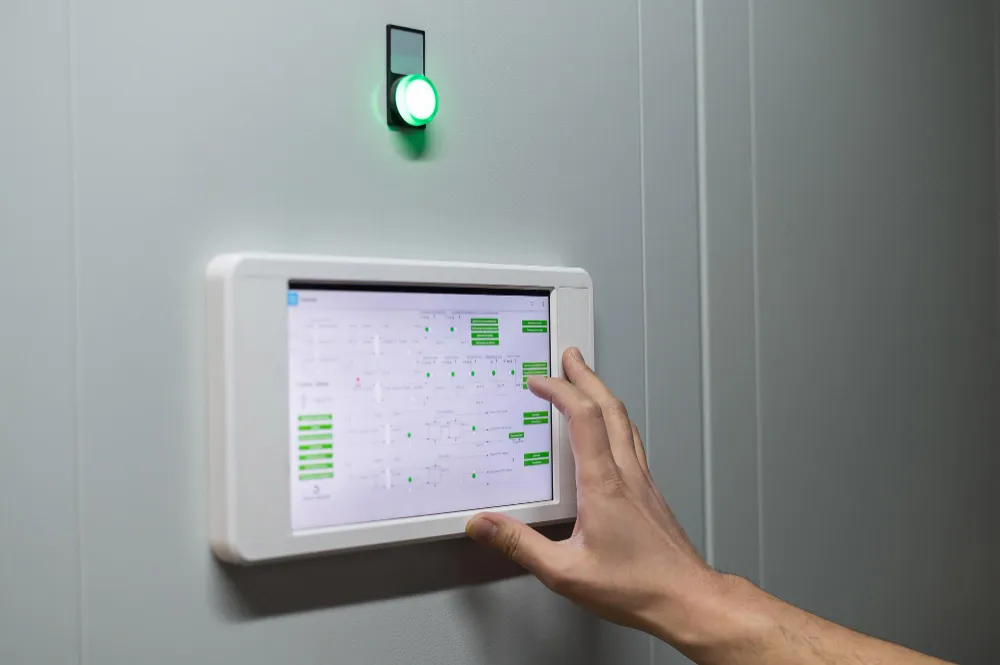
Addressable panels integrate more naturally with access control and building management platforms. Conventional panels trigger basic relay functions but lack granular communication for automation.
Here are the common types of home security systems homeowners or property managers can integrate with the addressable FACPs based on project scope:
- Emergency control
- HVAC controls
- Door release
- Monitoring
- Emergency notifications
Upfront Cost vs. Long-Term Cost
Conventional systems often have lower equipment costs on smaller projects, while addressable systems may cost more because of their devices and programming requirements. However, total project cost varies widely based on panel capacity, device count, wiring, labor, monitoring equipment, permitting, and building requirements.
On the other hand, the equipment, programming, and complexity of addressable systems can make them more expensive to begin with. An addressable FACP can range from $2,000 to $10,000, and the installation and total system costs are separate.
However, upfront cost should not be your only consideration. A cheaper panel may cost more over time if it requires more maintenance, troubleshooting, or upgrades.
You should also consider the following factors when choosing between these options:
- How much time technicians may spend locating faults
- Whether the building will expand
- How much device-level information you need
- Future system changes
- Inspection and service requirements
Code Compliance and Standards
Both system types must meet NFPA 72 requirements for design, installation, and testing. A fire detection control panel, conventional or addressable, must carry UL 864 listing to be legally installed in most U.S. jurisdictions. The 2025 edition of NFPA 72 added a mandatory cybersecurity chapter for network-connected systems, which touches addressable panels more directly.
Which Fire Alarm Control Panel Is Right for You?
Now that you know all the key differences between both fire alarm control panels, you might be wondering which one you should go for. We recommend using each type based on the following criteria:
When to Choose Conventional Alarm Panels:
Conventional panels make sense for straightforward, smaller properties. You can choose one if your building fits these specifications:
- Under roughly 20,000 to 30,000 square feet
- Single floor or a simple layout with few rooms
- Limited budget for upfront installation
- Low likelihood of future expansion
When to Choose Addressable Alarm Panels:
Addressable panels earn their higher cost where speed and precision matter more than price. You can consider one if your property fits these details:
- Multiple floors, wings, or a sprawling footprint
- High occupancy, such as schools, hospitals, or retail centers
- Plans for future expansion or phased construction
- A need to integrate fire alarms with access control or automation
To Sum Up
In short, a fire alarm control panel is not equipment you install and forget. It is the system your building depends on the moment something goes wrong, and the type you choose shapes how fast your team responds.
Conventional panels still make sense for smaller properties on tighter budgets. Addressable systems earn their cost in larger buildings and anywhere precision and future growth matter. Buildings that outgrow their panel almost always regret choosing on price alone.
At Elite Security Alarm Systems, we design custom fire and life safety systems for South Florida homes and businesses, working as an authorized Silent Knight dealer to match the right panel to your property. Call 305-245-5266 for a free quote. If you are evaluating different options, just call us or get your free quote today and get started.
Frequently Asked Questions
Are Addressable Systems Worth the Extra Cost?
Addressable systems tend to pay for themselves in mid-size to large buildings through faster troubleshooting and fewer disruptive evacuations. A small single-story building may not see enough benefit to justify the cost.
Can a Conventional System Be Upgraded Later?
Yes, but upgrading usually means replacing the panel and rewiring devices onto a signaling line circuit, since the two architectures are not directly compatible. Many buildings phase this in during a larger renovation.
Which System Reduces False Alarms More Effectively?
Addressable systems generally reduce false alarms because staff can identify the exact faulty device instead of evacuating an entire zone. Its continuous self-diagnostics also catch failing sensors early.
Do Homeowners Need an Addressable System?
Most single-family homes use interconnected smoke alarms rather than the conventional commercial-style fire alarm systems discussed in this guide. Some larger homes and multi-unit residential properties may use panel-based fire alarm systems when required by the building design or applicable codes.
How Do I Know Which System My Building Currently Has?
Check the panel display during a routine test. A specific device name means the system is addressable. A zone number only means it is conventional. A licensed technician can confirm this during an inspection.